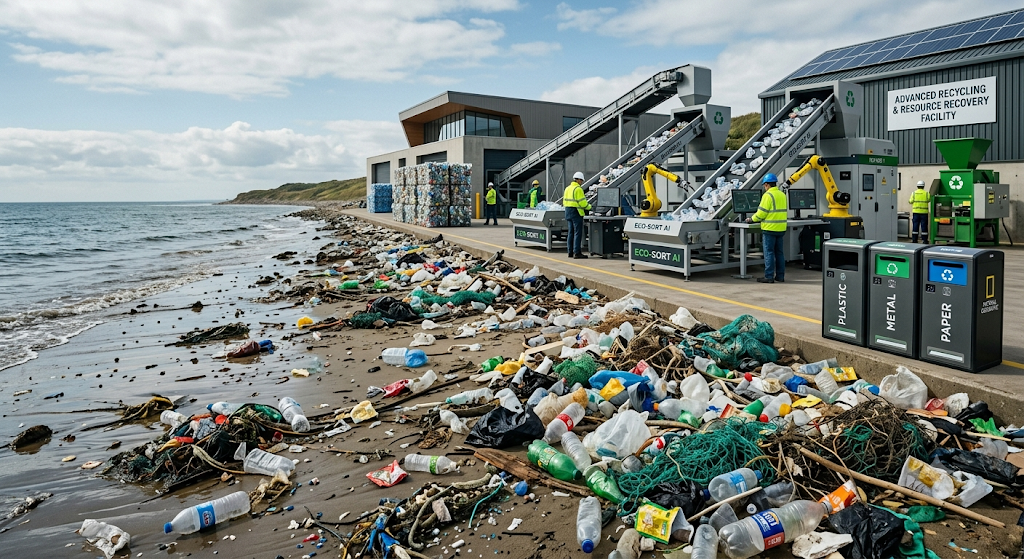
Plastic has become one of the most widely used materials in modern society. Its durability, versatility, and low cost have made it essential in industries ranging from packaging and healthcare to construction and electronics. However, the same qualities that make plastic useful have also contributed to one of the most serious environmental challenges facing the world today: plastic pollution.
Every year, millions of tons of plastic waste enter landfills, rivers, oceans, and natural ecosystems. Plastic pollution threatens wildlife, contaminates food chains, impacts human health, and contributes to environmental degradation. As global plastic production continues to rise, governments, businesses, researchers, and communities are searching for innovative waste management solutions to address this growing crisis.
The fight against plastic pollution is no longer limited to recycling efforts. New technologies, sustainable materials, circular economy models, and advanced waste management systems are transforming how societies handle plastic waste. Understanding these innovations is critical for creating a cleaner and more sustainable future.
Understanding Plastic Pollution
Plastic pollution refers to the accumulation of plastic materials in the environment where they negatively affect ecosystems, wildlife, and human populations.
Unlike organic materials, most plastics do not decompose naturally within a short period. Instead, they break down into smaller fragments known as microplastics, which can persist in the environment for hundreds of years.
Plastic waste is found in:
- Oceans and seas
- Rivers and lakes
- Agricultural land
- Urban areas
- Forests
- Arctic regions
- Food and drinking water supplies
The widespread presence of plastic pollution highlights the urgent need for effective waste management solutions.
The Rise of Plastic Production
Since the mid-20th century, plastic production has increased dramatically.
Several factors have contributed to this growth:
- Population expansion
- Urbanization
- Consumer convenience
- Industrial development
- Growth of e-commerce
- Increased demand for packaging
Plastic is used in countless products because it is lightweight, durable, and inexpensive to manufacture.
However, global production has reached levels that exceed the capacity of many waste management systems.
Single-use plastics, including bags, bottles, wrappers, and food containers, are among the largest contributors to environmental pollution.
Major Sources of Plastic Pollution
Single-Use Packaging
Packaging accounts for a significant portion of global plastic waste.
Common examples include:
- Shopping bags
- Water bottles
- Food packaging
- Plastic wraps
- Disposable cups
Many of these products are used only once before being discarded.
Improper Waste Disposal
Inadequate waste collection and disposal systems contribute heavily to plastic pollution.
Plastic waste often ends up in:
- Open dumps
- Rivers
- Beaches
- Drainage systems
Poor infrastructure remains a major challenge in many developing regions.
Fishing Industry Waste
Discarded fishing nets, ropes, and equipment contribute significantly to marine plastic pollution.
These materials can continue trapping marine animals for years after being abandoned.
Industrial Waste
Manufacturing facilities may release plastic pellets and waste materials into the environment through improper handling or disposal practices.
Textile Industry
Synthetic clothing made from polyester, nylon, and acrylic releases microplastic fibers during washing.
These fibers enter waterways and eventually reach oceans.
Environmental Impact of Plastic Pollution
Plastic pollution affects nearly every ecosystem on Earth.
Ocean Pollution
Millions of tons of plastic enter oceans annually.
Marine environments are particularly vulnerable because ocean currents transport plastic waste across vast distances.
Plastic debris accumulates in large ocean garbage patches and coastal areas.
Consequences include:
- Habitat destruction
- Marine animal deaths
- Coral reef damage
- Reduced biodiversity
Wildlife Harm
Animals often mistake plastic for food.
Birds, fish, turtles, and marine mammals may ingest plastic fragments, leading to:
- Internal injuries
- Starvation
- Reproductive problems
- Death
Entanglement in plastic waste is another major threat to wildlife.
Soil Degradation
Plastic waste can affect soil quality by altering its structure and reducing its ability to retain water and nutrients.
Agricultural productivity may decline in areas heavily contaminated with plastic debris.
Air Pollution
Burning plastic waste releases toxic chemicals into the atmosphere.
These emissions contribute to:
- Air pollution
- Respiratory diseases
- Climate change
Improper waste incineration remains a significant environmental concern.
Human Health Risks Associated with Plastic Pollution
Plastic pollution is increasingly recognized as a public health issue.
Microplastic Exposure
Microplastics have been detected in:
- Drinking water
- Seafood
- Salt
- Fruits and vegetables
- Human blood
Scientists continue studying the long-term health effects of microplastic exposure.
Toxic Chemicals
Many plastics contain chemical additives that may pose health risks.
These substances can potentially affect:
- Hormonal systems
- Reproductive health
- Immune function
- Child development
Reducing plastic contamination helps minimize these risks.
Why Traditional Waste Management Is Struggling
Conventional waste management systems face several challenges.
Growing Waste Volumes
The amount of plastic waste generated globally continues to increase faster than collection and processing capacities.
Limited Recycling Infrastructure
Many regions lack adequate recycling facilities.
As a result, large quantities of recyclable plastic end up in landfills or the environment.
Mixed Plastic Materials
Different types of plastics require different recycling processes.
Sorting mixed plastic waste can be difficult and expensive.
Low Recycling Rates
Globally, only a relatively small percentage of plastic waste is successfully recycled.
The majority is landfilled, incinerated, or leaked into the environment.
The Importance of Waste Management Innovation
Innovative waste management solutions are essential for addressing the limitations of traditional systems.
Modern approaches focus on:
- Reducing waste generation
- Improving recycling efficiency
- Recovering valuable materials
- Creating circular economies
- Preventing environmental leakage
Technology is playing a crucial role in accelerating progress.
Advanced Recycling Technologies
Chemical Recycling
Chemical recycling breaks plastics down into their molecular components.
Unlike traditional mechanical recycling, chemical recycling can process contaminated or mixed plastics.
Benefits include:
- Higher material recovery rates
- Improved product quality
- Greater recycling flexibility
This technology is gaining attention as a promising solution for difficult-to-recycle plastics.
Pyrolysis
Pyrolysis uses high temperatures in oxygen-free environments to convert plastic waste into useful products.
Outputs may include:
- Fuel oils
- Chemicals
- Energy resources
Pyrolysis offers a way to recover value from plastic waste that cannot be recycled conventionally.
Depolymerization
Depolymerization breaks plastic polymers into original monomers.
These materials can then be used to manufacture new plastic products with properties similar to virgin plastic.
Artificial Intelligence in Waste Management
Artificial intelligence is transforming waste sorting and recycling operations.
AI-powered systems can:
- Identify plastic types
- Automate sorting processes
- Improve recycling accuracy
- Reduce labor requirements
Machine learning algorithms continuously improve efficiency by analyzing large volumes of waste data.
Smart recycling facilities are becoming increasingly common worldwide.
Robotics and Automated Waste Sorting
Modern recycling plants use advanced robotics to handle waste materials.
Robotic systems can:
- Sort recyclables quickly
- Separate plastic categories
- Identify contaminants
- Increase processing efficiency
Automation improves recovery rates while reducing operational costs.
Smart Waste Collection Systems
Cities are adopting smart waste management technologies to optimize collection services.
Features include:
- Sensor-equipped bins
- Real-time monitoring
- Route optimization
- Predictive analytics
These systems reduce fuel consumption and improve operational efficiency.
Smart waste infrastructure is becoming a key component of sustainable urban development.
The Circular Economy Approach
The circular economy seeks to eliminate waste by keeping materials in use for as long as possible.
Instead of following a traditional “take, make, dispose” model, circular systems emphasize:
- Reuse
- Repair
- Recycling
- Resource recovery
Plastic products are designed for multiple life cycles rather than single-use disposal.
This approach significantly reduces environmental impact.
Biodegradable and Compostable Alternatives
Researchers are developing environmentally friendly alternatives to conventional plastics.
Bioplastics
Bioplastics are derived from renewable resources such as:
- Corn starch
- Sugarcane
- Vegetable oils
- Agricultural waste
These materials reduce dependence on fossil fuels.
Compostable Packaging
Compostable products break down naturally under controlled conditions.
Industries increasingly use compostable packaging for:
- Food containers
- Shopping bags
- Disposable utensils
While promising, proper disposal infrastructure is necessary to maximize benefits.
Ocean Cleanup Technologies
Several organizations are developing innovative solutions to remove plastic waste from oceans.
Floating Collection Systems
Large-scale collection devices capture plastic debris before it spreads further into marine environments.
River Interception Technologies
Many ocean plastics originate from rivers.
River cleanup systems prevent waste from reaching the sea.
Autonomous Cleanup Robots
Robotic vessels and drones are being deployed to collect floating plastic debris from waterways.
These technologies improve efficiency while reducing labor costs.
Government Policies and Regulations
Policy interventions play a critical role in reducing plastic pollution.
Common measures include:
- Plastic bag bans
- Single-use plastic restrictions
- Extended producer responsibility programs
- Recycling mandates
- Deposit return systems
Effective regulations encourage sustainable production and responsible waste management.
Corporate Sustainability Initiatives
Businesses are increasingly adopting strategies to reduce plastic waste.
Examples include:
Sustainable Packaging
Companies are redesigning products to use:
- Less plastic
- Recyclable materials
- Reusable packaging
Closed-Loop Manufacturing
Manufacturers recover and reuse materials from old products to create new ones.
Plastic Neutral Programs
Some organizations offset their plastic footprint by funding collection and recycling efforts.
Corporate leadership is becoming a major driver of environmental progress.
Community-Led Solutions
Local communities play an important role in addressing plastic pollution.
Successful initiatives include:
- Beach cleanups
- Recycling campaigns
- Educational programs
- Waste reduction projects
- Community composting systems
Grassroots efforts often create lasting behavioral change.
Consumer Behavior and Plastic Reduction
Consumer choices significantly influence plastic waste generation.
Individuals can reduce their environmental impact by:
- Using reusable bags
- Carrying refillable bottles
- Avoiding excessive packaging
- Supporting sustainable brands
- Recycling properly
Growing environmental awareness is encouraging more sustainable consumption habits.
Plastic Pollution and Climate Change
Plastic pollution and climate change are closely connected.
Plastic production relies heavily on fossil fuels.
Throughout its lifecycle, plastic contributes to greenhouse gas emissions through:
- Extraction
- Manufacturing
- Transportation
- Disposal
Reducing plastic waste supports broader climate action goals.
Future Trends in Waste Management Innovation
Several emerging trends are expected to shape the future.
AI-Powered Circular Systems
Artificial intelligence will optimize waste collection, recycling, and resource recovery processes.
Digital Product Passports
Products may include digital records showing material composition and recycling instructions.
Advanced Material Science
Researchers are developing plastics that degrade more safely and efficiently.
Decentralized Recycling
Small-scale local recycling facilities may reduce transportation costs and improve recovery rates.
Carbon-Neutral Waste Processing
Future waste management systems will increasingly focus on reducing emissions and energy consumption.
Challenges Ahead
Despite significant progress, several challenges remain.
These include:
- High implementation costs
- Limited infrastructure
- Consumer behavior barriers
- Regulatory inconsistencies
- Technological scalability
Overcoming these obstacles will require collaboration among governments, businesses, researchers, and citizens.
Building a Sustainable Future
Solving the plastic pollution crisis demands a comprehensive approach.
Key priorities include:
- Reducing plastic consumption
- Expanding recycling infrastructure
- Investing in innovation
- Promoting circular economies
- Strengthening environmental regulations
- Encouraging responsible consumer behavior
No single solution can eliminate plastic pollution entirely. Success depends on combining multiple strategies and maintaining long-term commitment.
Conclusion
Plastic pollution has emerged as one of the most significant environmental challenges of the modern era. The widespread use of plastic products has generated enormous economic benefits, but it has also created serious ecological, social, and health concerns. Oceans, rivers, wildlife, and even human populations are increasingly affected by the accumulation of plastic waste.
Fortunately, innovation is transforming the way societies manage waste. Advanced recycling technologies, artificial intelligence, robotics, biodegradable materials, smart waste systems, and circular economy models offer promising solutions for reducing plastic pollution. Governments, businesses, communities, and individuals all have important roles to play in driving change.
The future of waste management will depend on continued investment, technological advancement, and global cooperation. By embracing innovation and adopting sustainable practices, the world can significantly reduce plastic pollution and move toward a cleaner, healthier, and more sustainable future for generations to come.