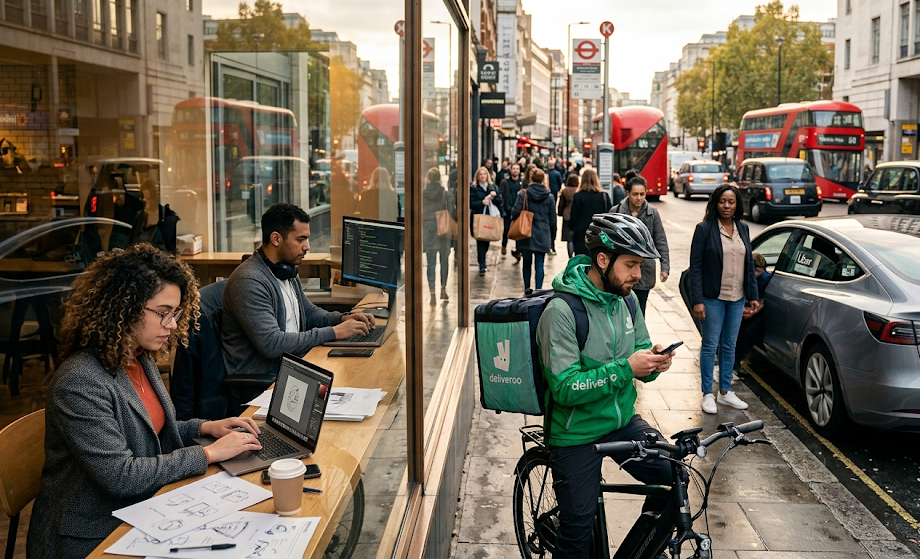
The global workforce is undergoing one of the most significant transformations in modern history. Traditional nine-to-five employment is no longer the only path to earning a living. Millions of people now earn income through freelance work, app-based jobs, contract assignments, and short-term projects. This rapidly expanding labor market is commonly known as the gig economy.
The gig economy has reshaped how businesses operate and how workers earn money. Digital platforms have made it easier than ever for individuals to connect with clients, offer services, and generate income from virtually anywhere. Ride-sharing drivers, food delivery partners, freelance writers, graphic designers, software developers, online tutors, and countless other professionals are participating in this growing economic model.
While the gig economy offers flexibility and independence, it also raises important questions about worker rights, fair compensation, social security, healthcare benefits, and job stability. Governments, businesses, labor organizations, and workers themselves continue to debate how to balance innovation with worker protection.
Understanding the Gig Economy
The gig economy refers to a labor market where workers perform temporary, flexible, or project-based jobs instead of maintaining long-term employment relationships with a single employer.
The term “gig” originated in the music industry, where performers would take on individual engagements or performances. Today, the concept applies to a broad range of industries and occupations.
Gig workers typically include:
- Freelancers
- Independent contractors
- Delivery drivers
- Ride-sharing drivers
- Consultants
- Content creators
- Virtual assistants
- Online tutors
- Software developers
- Graphic designers
- Photographers
- Social media managers
Digital platforms have significantly accelerated the growth of gig work by connecting workers directly with customers through mobile applications and online marketplaces.
The Rapid Growth of the Gig Economy
Several factors have contributed to the expansion of the gig economy worldwide.
Digital Transformation
Technology has simplified the process of matching workers with clients. Online platforms allow businesses to hire talent quickly without lengthy recruitment procedures.
Workers can access opportunities instantly through smartphones and internet-connected devices.
Remote Work Adoption
The rise of remote work has encouraged organizations to embrace flexible staffing models. Businesses increasingly hire freelancers and contractors for specialized tasks instead of maintaining large permanent teams.
Economic Uncertainty
Many individuals turn to gig work as a way to supplement their income during economic downturns, inflationary periods, or employment disruptions.
Multiple income streams provide financial diversification and reduce dependence on a single employer.
Demand for Flexibility
Younger generations often prioritize flexibility and work-life balance over traditional employment structures.
Gig work enables individuals to choose when, where, and how much they work.
Global Talent Access
Businesses can now hire skilled professionals from around the world. This global workforce model allows companies to access expertise while reducing operational costs.
Major Sectors Driving the Gig Economy
The gig economy spans numerous industries and continues expanding into new sectors.
Transportation Services
Ride-sharing platforms have transformed urban transportation by enabling individuals to earn income using their personal vehicles.
Drivers enjoy schedule flexibility but often face concerns regarding fuel costs, maintenance expenses, and income stability.
Food Delivery Services
Food delivery platforms experienced significant growth during and after the pandemic.
Workers can choose their working hours but frequently encounter issues related to compensation, safety, and workload management.
Freelance Services
Professional freelancers offer expertise in areas such as:
- Writing
- Marketing
- Graphic design
- Programming
- Video editing
- Consulting
- Accounting
Freelance work often provides higher earning potential for skilled professionals.
Creative Industries
Content creators, photographers, influencers, and digital artists increasingly operate within the gig economy.
Many generate revenue through sponsorships, subscriptions, advertising, and project-based assignments.
Home and Personal Services
Cleaning services, handyman work, tutoring, pet care, and personal assistance are also becoming increasingly platform-driven.
Benefits of the Gig Economy
The popularity of gig work stems from several significant advantages.
Greater Flexibility
One of the most attractive features of gig work is schedule control.
Workers can:
- Choose their hours
- Accept or decline assignments
- Work from multiple locations
- Pursue personal interests alongside work
This flexibility appeals to students, parents, retirees, and individuals seeking supplementary income.
Additional Income Opportunities
Gig work provides opportunities to earn money beyond traditional employment.
Many individuals use gig platforms to:
- Pay off debt
- Build savings
- Fund education
- Support family expenses
Access to Global Markets
Freelancers can serve clients from different countries without relocating.
This access increases earning opportunities and allows workers to build international professional networks.
Entrepreneurial Independence
Gig workers often enjoy greater autonomy than traditional employees.
They can:
- Set rates
- Select projects
- Develop personal brands
- Build independent businesses
Lower Barriers to Entry
Many gig opportunities require minimal startup costs.
Workers can begin earning quickly using existing skills, equipment, or vehicles.
Challenges Facing Gig Workers
Despite its benefits, the gig economy presents several challenges that affect worker well-being and financial security.
Income Instability
Unlike salaried employees, gig workers often face unpredictable earnings.
Income can fluctuate due to:
- Seasonal demand
- Platform algorithms
- Economic conditions
- Customer preferences
- Competition levels
This unpredictability complicates financial planning.
Lack of Employment Benefits
Traditional employees typically receive benefits such as:
- Health insurance
- Paid leave
- Retirement contributions
- Sick leave
- Maternity and paternity leave
Many gig workers must secure these benefits independently.
Limited Job Security
Gig workers generally operate on short-term contracts or task-based assignments.
Platforms can modify policies, adjust compensation structures, or deactivate accounts with limited notice.
Worker Classification Issues
A major debate concerns whether gig workers should be classified as independent contractors or employees.
Classification affects access to:
- Minimum wage protections
- Overtime pay
- Unemployment benefits
- Workers’ compensation
- Collective bargaining rights
Algorithmic Management
Many digital platforms use algorithms to assign tasks, evaluate performance, and determine worker visibility.
Workers often have limited insight into how these systems operate.
This lack of transparency can create concerns regarding fairness and accountability.
Worker Rights in the Gig Economy
Worker rights have become one of the most discussed aspects of the gig economy.
As flexible work arrangements expand, policymakers must determine how labor protections should evolve.
Fair Compensation
One of the most important concerns is ensuring workers receive adequate compensation.
Advocates argue that workers should earn wages sufficient to cover:
- Living expenses
- Equipment costs
- Transportation costs
- Insurance expenses
- Taxes
Some jurisdictions have introduced minimum earnings standards for gig workers.
Workplace Safety
Worker safety remains essential regardless of employment classification.
Gig workers may face risks such as:
- Traffic accidents
- Harassment
- Theft
- Physical injuries
- Mental stress
Platforms are increasingly expected to implement stronger safety measures.
Protection Against Discrimination
Gig workers should have protection against discrimination based on factors such as:
- Gender
- Race
- Religion
- Disability
- Age
Transparent policies and complaint procedures are critical for maintaining fairness.
Access to Social Security
Many labor experts argue that gig workers should have access to social protection systems.
Potential benefits include:
- Retirement savings programs
- Healthcare coverage
- Disability insurance
- Unemployment assistance
Governments worldwide are exploring portable benefit models that follow workers across multiple platforms.
Transparency and Accountability
Workers increasingly demand transparency regarding:
- Pay calculations
- Rating systems
- Task assignments
- Account suspensions
Greater transparency can improve trust between platforms and workers.
Global Regulatory Approaches
Countries around the world are developing different strategies to regulate gig work.
European Approaches
Several European nations have introduced stronger labor protections for platform workers.
Some regulations focus on:
- Worker classification
- Collective bargaining rights
- Algorithm transparency
- Employment benefits
The goal is to balance innovation with social protection.
United States Developments
The United States continues debating whether gig workers should remain independent contractors or receive employee-like protections.
State-level regulations vary significantly.
Legal disputes often focus on classification standards and labor rights.
Asian Market Reforms
Many Asian economies are developing frameworks to support gig workers while encouraging digital innovation.
Policymakers are increasingly addressing issues such as:
- Insurance coverage
- Workplace safety
- Social security contributions
Emerging Economy Perspectives
Developing countries often view gig platforms as tools for employment generation and economic inclusion.
However, policymakers must also address concerns regarding labor standards and worker welfare.
The Role of Technology in Protecting Workers
Technology itself can help address many gig economy challenges.
Digital Payment Transparency
Advanced payment systems can provide workers with clear information regarding:
- Earnings
- Fees
- Bonuses
- Deductions
Transparency strengthens trust and accountability.
Portable Benefits Platforms
Digital systems can allow workers to accumulate benefits across multiple employers and platforms.
This model aligns with the flexible nature of gig work.
AI-Powered Safety Tools
Artificial intelligence can enhance worker safety through:
- Emergency assistance features
- Route monitoring
- Fraud detection
- Risk assessment
Skill Development Platforms
Technology can help gig workers upgrade skills and access higher-paying opportunities.
Online education platforms provide affordable learning pathways for career advancement.
How Businesses Benefit from Gig Workers
Businesses increasingly rely on gig workers to remain competitive.
Key advantages include:
Scalability
Organizations can quickly expand or reduce their workforce based on demand.
This flexibility improves operational efficiency.
Cost Management
Companies can access specialized talent without maintaining large permanent payrolls.
Access to Expertise
Businesses can hire experts for specific projects, enabling innovation and improved performance.
Faster Project Completion
Flexible staffing models often accelerate project timelines.
Organizations can assemble teams rapidly and respond to market changes more effectively.
The Debate: Flexibility Versus Protection
One of the central questions surrounding the gig economy is whether increased worker protections could reduce flexibility.
Supporters of current models argue that:
- Flexibility attracts workers
- Innovation should not be restricted
- Independent contracting creates economic opportunities
Worker advocates argue that:
- Flexibility should not come at the expense of basic rights
- Workers deserve economic security
- Labor protections should evolve alongside technology
The challenge lies in finding policies that preserve flexibility while ensuring fairness.
The Future of Gig Work
The gig economy is expected to continue expanding across industries.
Several trends are likely to shape its future.
Hybrid Work Models
Many professionals will combine traditional employment with freelance opportunities.
This blended approach offers stability alongside flexibility.
Increased Regulation
Governments will likely introduce clearer rules regarding worker classification and benefits.
Portable Benefits Systems
Benefits tied to workers rather than employers may become more common.
Such systems could better support modern work arrangements.
Greater Worker Representation
Gig workers may gain stronger collective representation through associations, unions, and advocacy groups.
Expansion into High-Skilled Sectors
Gig work is increasingly moving beyond delivery and transportation services.
Professionals in technology, healthcare, finance, and consulting are embracing flexible project-based careers.
Conclusion
The gig economy has fundamentally changed how people work and how businesses access talent. Its rapid growth reflects shifting preferences, technological advancements, and evolving economic realities. For millions of workers, gig opportunities provide flexibility, independence, and access to income streams that were previously unavailable.
However, the rise of flexible work has also exposed significant challenges related to worker rights, fair pay, social protection, and job security. As governments, businesses, and labor organizations continue to navigate these issues, the future of the gig economy will depend on achieving a balance between innovation and worker welfare.
Creating a sustainable gig economy requires policies that protect workers without eliminating the flexibility that makes gig work attractive. Through thoughtful regulation, technological innovation, and collaborative solutions, societies can build a future of work that supports both economic growth and human well-being.
As digital platforms continue reshaping employment worldwide, the conversation around worker rights will remain central to ensuring that the future of work is not only flexible and efficient but also fair, inclusive, and sustainable for everyone.