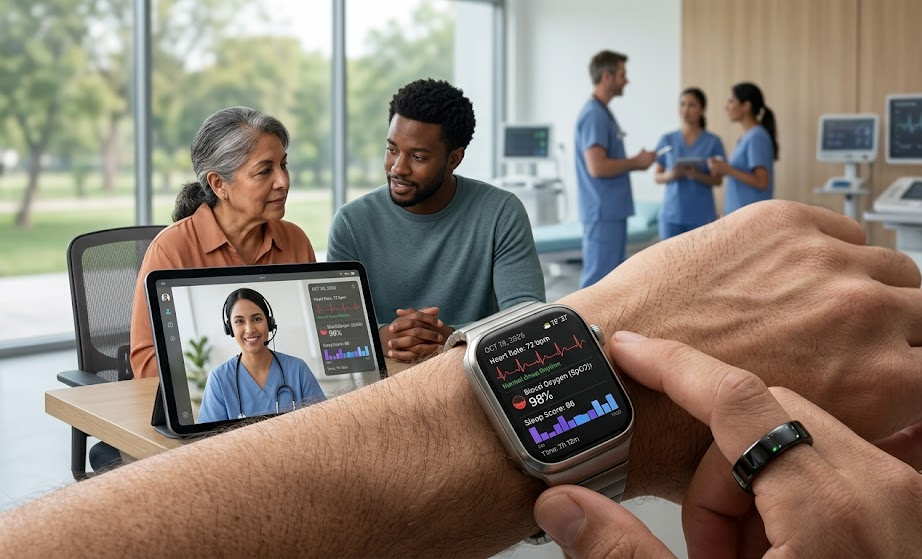
Wearable health technology has evolved from simple fitness trackers into powerful health-monitoring tools that are transforming the way people manage their well-being. In 2026, wearable devices are playing an increasingly important role in preventive healthcare, chronic disease management, fitness tracking, mental wellness, and remote patient monitoring. From smartwatches and fitness bands to smart rings and biosensors, these innovations are helping individuals gain real-time insights into their health while enabling healthcare professionals to deliver more personalized care.
As healthcare systems worldwide continue to embrace digital transformation, wearable technology is becoming an essential bridge between consumers and medical professionals. The growing demand for proactive health management, combined with advancements in artificial intelligence, sensor technology, and connectivity, has accelerated the adoption of wearable health devices across all age groups.
This article explores the latest wearable health technology trends, their benefits, challenges, and the future of connected healthcare.
Understanding Wearable Health Technology
Wearable health technology refers to electronic devices that can be worn on the body to collect, analyze, and transmit health-related data. These devices are designed to continuously monitor various physiological metrics, helping users track their health status in real time.
Common examples include:
- Smartwatches
- Fitness trackers
- Smart rings
- Health-monitoring patches
- Smart clothing
- Biosensors
- Wearable ECG monitors
- Continuous glucose monitoring devices
- Sleep tracking devices
Unlike traditional healthcare systems that rely on periodic doctor visits, wearable devices provide continuous monitoring, allowing users to identify potential health issues before they become serious.
The Rapid Growth of the Wearable Health Technology Market
The wearable health technology market has experienced significant growth over the past decade. Several factors are driving this expansion:
Increasing Health Awareness
Consumers are becoming more health-conscious and actively seeking tools to monitor their physical activity, heart health, sleep quality, and overall wellness.
Rise of Chronic Diseases
Conditions such as diabetes, hypertension, obesity, and cardiovascular diseases require ongoing monitoring. Wearable devices help patients and healthcare providers manage these conditions more effectively.
Advances in Sensor Technology
Modern sensors are more accurate, smaller, and energy-efficient than ever before. This enables wearable devices to collect a wide range of health metrics with greater precision.
Growth of Telehealth Services
The expansion of telemedicine has increased demand for remote monitoring solutions, making wearable technology an essential component of digital healthcare.
Artificial Intelligence Integration
AI-powered analytics are enabling wearable devices to provide personalized recommendations, predictive insights, and early warning alerts.
Trend 1: Advanced Heart Health Monitoring
Cardiovascular disease remains one of the leading causes of death worldwide. As a result, wearable manufacturers are focusing heavily on heart health monitoring capabilities.
Modern wearable devices can now track:
- Heart rate
- Heart rate variability
- Blood pressure trends
- Electrocardiograms (ECG)
- Irregular heart rhythms
- Stress-related cardiovascular indicators
Advanced smartwatches can detect signs of atrial fibrillation and notify users to seek medical attention. These features allow for earlier diagnosis and improved management of heart-related conditions.
In 2026, wearable ECG monitoring is becoming increasingly sophisticated, helping healthcare professionals monitor patients remotely and reduce hospital visits.
Trend 2: Continuous Glucose Monitoring Beyond Diabetes
Continuous glucose monitoring (CGM) technology has traditionally been used by people with diabetes. However, the technology is now expanding to broader wellness applications.
Modern glucose-monitoring wearables provide:
- Real-time blood sugar tracking
- Personalized nutrition insights
- Metabolic health analysis
- Energy optimization recommendations
Fitness enthusiasts, athletes, and health-conscious consumers are increasingly using glucose monitoring devices to understand how food, exercise, and sleep impact their metabolic health.
The growing accessibility of non-invasive glucose monitoring technology is expected to revolutionize preventive healthcare in the coming years.
Trend 3: AI-Powered Personalized Health Insights
Artificial intelligence is becoming one of the most influential forces in wearable health technology.
Instead of simply collecting data, wearable devices now analyze information and generate actionable insights.
AI-powered wearables can:
- Predict health risks
- Identify unusual health patterns
- Recommend lifestyle changes
- Monitor recovery progress
- Detect signs of illness
- Provide personalized fitness plans
For example, wearable devices can recognize subtle changes in resting heart rate, sleep patterns, and activity levels that may indicate an upcoming illness.
As machine learning algorithms improve, wearables are becoming more proactive and predictive rather than reactive.
Trend 4: Smart Rings Gaining Popularity
Smart rings have emerged as one of the fastest-growing segments of wearable health technology.
Unlike bulky smartwatches, smart rings offer discreet health monitoring while maintaining a stylish appearance.
Key features include:
- Sleep tracking
- Heart rate monitoring
- Blood oxygen measurement
- Stress assessment
- Activity tracking
- Recovery analysis
Many users prefer smart rings because they are lightweight, comfortable, and capable of collecting accurate health data throughout the day and night.
The demand for minimalist wearable technology continues to drive innovation in this category.
Trend 5: Mental Health and Stress Monitoring
Mental wellness has become a major focus area for wearable technology developers.
Modern devices are increasingly capable of measuring indicators related to stress and emotional well-being.
Common mental health features include:
- Stress level tracking
- Breathing exercises
- Mindfulness reminders
- Mood monitoring
- Guided meditation
- Anxiety management tools
Wearables use physiological indicators such as heart rate variability, skin temperature, and sleep quality to assess stress levels.
These insights help users better understand their mental health and take proactive steps to manage stress before it impacts overall well-being.
Trend 6: Sleep Tracking Becoming More Sophisticated
Sleep is one of the most important components of health, and wearable devices are becoming increasingly advanced in sleep monitoring.
Today’s devices can track:
- Sleep duration
- Sleep stages
- Sleep efficiency
- Sleep interruptions
- Breathing patterns
- Recovery metrics
AI-powered sleep analysis provides personalized recommendations to improve sleep quality.
Healthcare providers are also beginning to use wearable sleep data to identify conditions such as insomnia, sleep apnea, and other sleep disorders.
The integration of sleep monitoring with broader wellness platforms is helping users optimize both physical and mental performance.
Trend 7: Remote Patient Monitoring Expansion
Remote patient monitoring has become one of the most significant applications of wearable health technology.
Healthcare providers can now monitor patients from a distance using connected devices that transmit real-time data.
Benefits include:
- Reduced hospital admissions
- Improved chronic disease management
- Enhanced patient engagement
- Faster intervention during emergencies
- Lower healthcare costs
Patients with conditions such as heart disease, diabetes, hypertension, and respiratory disorders can receive continuous monitoring without frequent clinic visits.
This trend is particularly important in rural areas where access to healthcare services may be limited.
Trend 8: Wearable Blood Pressure Monitoring
Traditional blood pressure measurement often requires specialized equipment.
However, wearable technology is making blood pressure monitoring more accessible and convenient.
New devices can:
- Measure blood pressure trends continuously
- Alert users to abnormal readings
- Support hypertension management
- Provide long-term health tracking
As sensor accuracy improves, wearable blood pressure monitoring is expected to become a standard feature in many consumer health devices.
Trend 9: Smart Clothing and Textile-Based Sensors
Smart clothing represents an exciting frontier in wearable health technology.
Embedded sensors within garments can monitor:
- Heart activity
- Muscle performance
- Breathing patterns
- Body temperature
- Posture
- Physical activity
Athletes are increasingly using smart apparel to optimize performance and prevent injuries.
Healthcare organizations are also exploring smart textiles for rehabilitation and chronic disease monitoring.
The integration of electronics into everyday clothing could significantly expand wearable adoption in the future.
Trend 10: Wearables for Women’s Health
Women’s health monitoring is becoming a major area of innovation.
Modern wearable devices now offer features such as:
- Menstrual cycle tracking
- Fertility monitoring
- Pregnancy health insights
- Hormonal health analysis
- Menopause symptom tracking
These tools provide women with personalized information that can support reproductive health and overall wellness.
Advances in sensor technology are enabling more accurate and comprehensive monitoring of female health indicators.
Trend 11: Wearable Devices for Senior Care
The global aging population is driving demand for wearable solutions designed specifically for older adults.
Senior-focused wearable devices often include:
- Fall detection
- Emergency alerts
- Heart monitoring
- Medication reminders
- GPS tracking
- Activity monitoring
These features help seniors maintain independence while providing peace of mind for caregivers and family members.
Wearable technology is becoming a critical component of aging-in-place healthcare strategies.
Trend 12: Integration with Digital Health Ecosystems
Wearable devices are no longer standalone products.
They are increasingly integrated into larger digital health ecosystems that include:
- Electronic health records
- Telemedicine platforms
- Mobile health applications
- AI-driven wellness systems
- Healthcare provider networks
This integration enables seamless data sharing between patients and healthcare professionals.
The result is a more connected and efficient healthcare experience that supports better decision-making and personalized treatment plans.
Trend 13: Real-Time Disease Detection
Researchers are exploring wearable technologies capable of detecting diseases before symptoms become noticeable.
Emerging wearable biosensors can monitor:
- Body temperature fluctuations
- Respiratory changes
- Biomarkers in sweat
- Blood oxygen levels
- Immune system responses
Future wearables may help identify infections, inflammatory conditions, and other health issues in their earliest stages.
Early detection could significantly improve treatment outcomes and reduce healthcare costs.
Trend 14: Wearables Supporting Preventive Healthcare
Healthcare is shifting from treatment-focused models toward prevention-focused strategies.
Wearable devices encourage preventive care by helping users:
- Monitor risk factors
- Adopt healthier habits
- Increase physical activity
- Improve nutrition
- Reduce stress
- Maintain healthy sleep routines
The ability to identify potential health risks before they become severe represents one of the most valuable benefits of wearable technology.
Benefits of Wearable Health Technology
Improved Health Awareness
Users gain a deeper understanding of their health through continuous monitoring and personalized insights.
Early Detection of Health Issues
Wearable devices can identify unusual patterns and alert users before serious problems develop.
Better Chronic Disease Management
Patients with long-term health conditions can track important metrics and share data with healthcare providers.
Increased Patient Engagement
Real-time feedback encourages individuals to take a more active role in managing their health.
Enhanced Fitness Performance
Athletes and fitness enthusiasts can optimize training, recovery, and performance using detailed biometric data.
Cost Savings
Preventive monitoring may reduce healthcare expenses by minimizing hospital admissions and emergency interventions.
Challenges Facing Wearable Health Technology
Despite its benefits, wearable health technology faces several challenges.
Data Privacy Concerns
Health data is highly sensitive, and users expect strong security protections.
Accuracy Limitations
Some consumer-grade devices may not provide medical-grade accuracy under all conditions.
Battery Life Constraints
Advanced monitoring features can consume significant power, requiring frequent charging.
Regulatory Compliance
Manufacturers must meet strict healthcare regulations when developing medical-grade wearable devices.
User Adoption Barriers
Some individuals may find wearable devices expensive, complex, or difficult to integrate into daily routines.
Addressing these challenges will be critical to sustaining long-term growth in the wearable health technology market.
The Future of Wearable Health Technology
The future of wearable health technology looks incredibly promising. Emerging innovations are expected to include:
- Non-invasive blood testing
- Continuous hydration monitoring
- Advanced disease prediction systems
- AI-powered health coaches
- Implantable wearable sensors
- Smart contact lenses
- Real-time biomarker tracking
- Personalized preventive healthcare platforms
As technology continues to evolve, wearable devices will become even more accurate, intelligent, and integrated into healthcare systems worldwide.
The next generation of wearables will likely move beyond monitoring and become active participants in disease prevention, treatment optimization, and personalized health management.
Conclusion
Wearable health technology is reshaping the healthcare landscape by empowering individuals with real-time access to valuable health information. From advanced heart monitoring and glucose tracking to mental wellness management and remote patient care, wearable devices are transforming how people approach health and wellness.
The integration of artificial intelligence, sophisticated sensors, and digital healthcare platforms is accelerating innovation and creating new opportunities for preventive medicine. As adoption continues to grow, wearable technology is expected to play an increasingly central role in improving healthcare outcomes, reducing costs, and supporting healthier lifestyles.
In 2026 and beyond, wearable health technology is no longer just a fitness trend—it is becoming a fundamental component of modern healthcare, helping individuals take control of their well-being while enabling healthcare providers to deliver smarter, more personalized care.