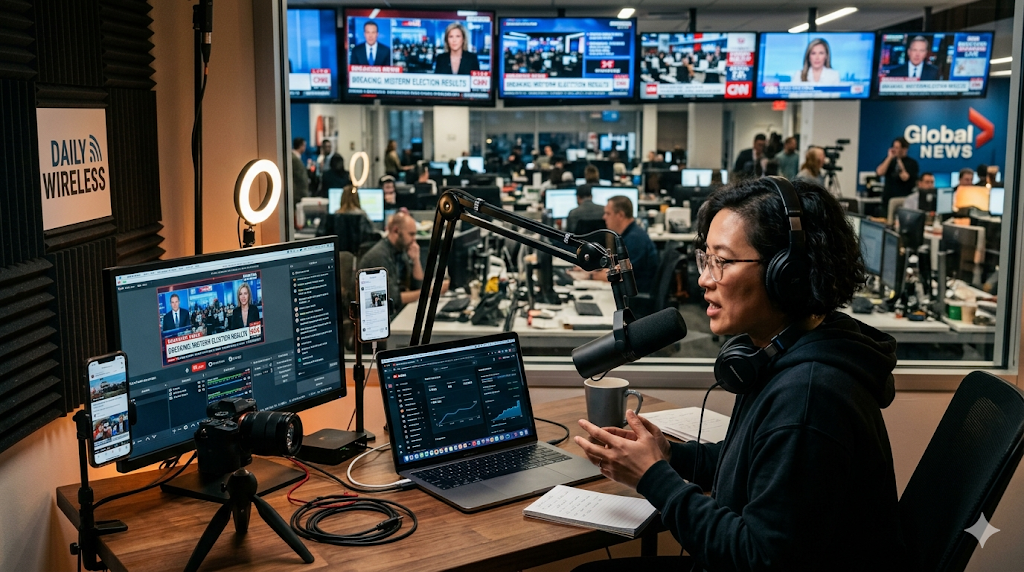
The global media industry is experiencing one of the biggest transformations in modern history. Traditional news organizations that once controlled public information are now competing with independent journalists who publish directly to audiences through newsletters, YouTube channels, podcasts, blogs, TikTok, and subscription platforms. In 2026, independent journalism is no longer considered an alternative media experiment — it has become one of the fastest-growing sectors in digital publishing.
Audiences today are shifting away from legacy television networks, newspaper conglomerates, and corporate-owned newsrooms. Instead, they are choosing creators, investigative reporters, and niche analysts who provide authentic, specialized, and transparent coverage. Independent journalists are building loyal communities, generating millions of views, and earning sustainable income without relying on large media corporations.
This shift is not happening by accident. It is being driven by changing audience behavior, declining trust in traditional media, advances in creator technology, and the rise of direct-to-consumer publishing platforms. The internet has fundamentally changed how people consume news, and independent journalists are adapting faster than large media companies.
In this article, we will explore why independent journalists are growing faster than big media, how technology is empowering solo reporters, why audiences trust creators more, and what the future of journalism may look like in the next decade.
The Rise of Independent Journalism
Independent journalism refers to news reporting and commentary created outside traditional corporate media organizations. These journalists often work alone or with small teams and publish content independently across multiple digital platforms.
Unlike traditional media companies that depend heavily on advertising and investors, independent journalists usually rely on:
- Subscription memberships
- Patreon support
- YouTube monetization
- Sponsorships
- Affiliate marketing
- Paid newsletters
- Crowdfunding
- Podcast advertising
The creator economy has allowed journalists to become personal brands. Instead of building loyalty to a newspaper or television network, audiences now follow individual personalities they trust.
This change mirrors what happened in other industries like music, education, entertainment, and e-commerce. Consumers increasingly prefer direct relationships with creators rather than institutions.
Declining Trust in Traditional Media
One of the biggest reasons independent journalists are growing rapidly is the decline in public trust toward mainstream media organizations.
Many viewers and readers believe large media companies are:
- Politically biased
- Influenced by advertisers
- Focused on sensational headlines
- Prioritizing profit over truth
- Repeating identical narratives
- Ignoring independent perspectives
As a result, audiences are searching for voices they perceive as more honest and transparent.
Independent journalists often appear more relatable because they communicate directly with audiences without corporate filters. They explain their reporting process, share raw opinions, and engage with followers in real time.
This level of transparency creates stronger audience relationships.
For example, many successful independent reporters livestream their research process, respond to comments, and openly discuss corrections when mistakes occur. Large media organizations rarely provide that kind of direct interaction.
Social Media Changed News Consumption Forever
Social media platforms have transformed how people discover information.
In the past, traditional media controlled distribution through:
- Television networks
- Cable channels
- Newspapers
- Radio stations
Today, anyone with internet access can publish content globally within seconds.
Platforms like YouTube, X, Instagram, TikTok, LinkedIn, Substack, and podcasts allow independent journalists to build audiences without needing approval from editors or publishers.
This has dramatically reduced the barriers to entry in journalism.
A solo creator with a smartphone can now compete with billion-dollar media corporations if their reporting resonates with audiences.
Social media algorithms also reward personality-driven content. Independent journalists often perform better because they communicate in a more conversational, emotional, and engaging style than traditional news anchors.
Audiences Prefer Authentic Voices
Authenticity has become one of the most valuable assets in digital media.
Independent journalists often succeed because audiences view them as real people rather than corporate representatives.
Big media organizations usually maintain polished, formal communication styles. Independent creators, however, often share:
- Behind-the-scenes content
- Personal opinions
- Emotional reactions
- Live discussions
- Community interaction
- Direct responses to criticism
This creates a sense of connection and trust.
Modern audiences especially younger generations prefer creators who feel human and accessible. They want journalism that feels personal rather than institutional.
Many viewers are also tired of scripted television debates and repetitive news cycles. Independent journalists often provide deeper analysis, longer discussions, and more nuanced perspectives.
Niche Journalism Is Exploding
Traditional media companies typically focus on broad audiences because they depend on mass advertising revenue.
Independent journalists can thrive by targeting specific niches.
Examples include:
- Technology journalism
- AI industry reporting
- Political commentary
- Financial analysis
- Gaming news
- Investigative crime reporting
- Climate journalism
- Health and wellness reporting
- Local community news
- Sports analysis
- Crypto and blockchain coverage
Niche journalism allows creators to become experts in highly focused areas. Audiences often trust specialists more than general news organizations.
For example, a dedicated cybersecurity reporter on YouTube may provide more detailed insights than a mainstream television segment covering the same topic for two minutes.
This specialization helps independent journalists attract loyal communities that return consistently for valuable expertise.
Subscription Platforms Changed the Business Model
One of the most important developments in journalism has been the rise of subscription-based creator platforms.
Platforms such as paid newsletters and membership communities allow journalists to earn directly from audiences rather than depending entirely on advertisers.
This creates several advantages:
Greater Editorial Independence
When journalists rely on audience support, they are less vulnerable to advertiser pressure or corporate influence.
Stronger Community Relationships
Subscribers feel personally invested in the creator’s success.
Predictable Revenue
Monthly memberships provide stable income streams.
Higher Content Quality
Creators can focus on depth rather than clickbait traffic.
Independent journalists no longer need millions of page views to survive. A smaller loyal audience can generate sustainable income through subscriptions.
For example, a journalist with 5,000 paying subscribers may earn more than many newsroom employees.
Big Media Struggles With Speed and Innovation
Large media organizations often move slowly due to corporate bureaucracy.
Independent journalists can adapt faster because they:
- Experiment quickly
- Respond to trends immediately
- Publish without lengthy approvals
- Test new formats rapidly
- Pivot content strategies easily
This agility gives creators a major advantage in digital media.
When new platforms emerge, independent journalists often adopt them before traditional companies do.
We have already seen this pattern with:
- Podcasts
- TikTok news
- YouTube journalism
- Newsletter publishing
- Live streaming
- AI-assisted reporting
Big media companies frequently struggle to innovate because they are tied to older systems and legacy revenue models.
Video Journalism Is Fueling Creator Growth
Video content is dominating the internet.
Independent journalists are benefiting enormously from platforms like YouTube, TikTok, and Instagram Reels.
Video allows creators to:
- Build stronger emotional connections
- Explain stories visually
- Increase audience retention
- Improve monetization opportunities
- Reach younger viewers
Traditional television news still exists, but younger audiences increasingly consume news through mobile-first video platforms.
Independent creators often outperform large media companies because they understand internet culture better.
They create content that feels more engaging, relatable, and optimized for digital audiences.
Podcasts Are Creating Deep Audience Loyalty
Podcasting has become a powerful tool for independent journalism.
Unlike short-form social media posts, podcasts allow journalists to explore topics in depth.
Listeners often develop strong trust relationships with podcast hosts because they spend hours listening to their conversations every week.
Independent journalists use podcasts to:
- Conduct interviews
- Analyze current events
- Share investigative research
- Build loyal communities
- Monetize through sponsorships
Podcasts also allow creators to avoid the constant pressure of algorithm-driven platforms.
Subscribers intentionally return to listen, which creates long-term audience stability.
Audiences Want More Diverse Perspectives
Traditional media has often been criticized for presenting limited viewpoints.
Independent journalism has expanded the diversity of voices in media by giving opportunities to:
- Local reporters
- Minority communities
- Independent investigators
- International analysts
- Citizen journalists
- Subject-matter experts
This diversity has broadened public conversations and introduced perspectives that may not receive attention in mainstream outlets.
The democratization of publishing means audiences can now compare multiple viewpoints instead of relying on a small number of major networks.
AI Tools Are Empowering Independent Journalists
Artificial intelligence is helping independent journalists compete with larger organizations.
Modern AI tools assist creators with:
- Research
- Transcription
- Video editing
- Headline generation
- SEO optimization
- Translation
- Data analysis
- Content summarization
These tools dramatically reduce production costs.
A single journalist can now perform work that previously required an entire newsroom team.
AI-powered workflows allow independent creators to publish faster while maintaining quality.
However, successful journalists still rely heavily on human expertise, credibility, and investigative skills. AI enhances productivity but does not replace trust.
Local Journalism Is Making a Comeback
Many local newspapers have shut down or reduced operations due to declining advertising revenue.
Independent journalists are filling this gap.
Community-focused creators are covering:
- City politics
- Local businesses
- School systems
- Crime reports
- Regional events
- Neighborhood issues
Audiences often appreciate hyperlocal reporting because it directly impacts their daily lives.
In many regions, independent journalists are becoming the primary source of local information.
Younger Generations Consume News Differently
Gen Z and younger millennials consume news very differently from older generations.
They prefer:
- Mobile content
- Short-form videos
- Podcasts
- Social-first journalism
- Interactive discussions
- Creator personalities
Traditional television news struggles to connect with younger audiences because its format feels outdated.
Independent journalists understand internet-native communication styles and adapt content accordingly.
This generational shift is accelerating the growth of creator-led journalism.
Independent Journalists Build Personal Brands
Modern journalism increasingly revolves around individual personalities rather than institutions.
People now say:
- “I follow this journalist.”
instead of: - “I read this newspaper.”
Personal branding gives independent journalists enormous advantages:
Audience Portability
Creators can move followers across platforms.
Stronger Trust
Audiences connect with real personalities.
Higher Monetization Potential
Personal brands attract sponsorships and memberships.
Career Flexibility
Journalists are no longer dependent on employers.
This creator-first model is changing the economics of media entirely.
Big Media Still Has Important Advantages
Despite the rapid growth of independent journalism, traditional media still holds several strengths.
Large organizations possess:
- Massive reporting budgets
- International bureaus
- Legal departments
- Investigative resources
- Access to elite networks
- Established reputations
Complex investigative reporting often requires resources that independent creators may lack.
Traditional journalism also plays a critical role in:
- War reporting
- Global investigations
- Court coverage
- Public accountability
- Data journalism
The future of media may involve coexistence rather than complete replacement.
Challenges Facing Independent Journalists
Independent journalism is growing rapidly, but it also faces serious challenges.
Platform Dependency
Creators rely heavily on algorithms controlled by tech companies.
Burnout
Solo journalism requires constant content production.
Financial Instability
Income can fluctuate significantly.
Misinformation Risks
Not all independent creators follow strong editorial standards.
Limited Resources
Small teams may struggle with large investigations.
The rise of independent journalism also raises questions about fact-checking, ethics, and accountability.
Audiences must learn to evaluate sources carefully.
The Future of Journalism
The future of journalism will likely become increasingly decentralized.
Instead of a few dominant media corporations controlling public discourse, audiences will consume information from a mix of:
- Independent journalists
- Creator-led media companies
- Traditional news organizations
- AI-powered news platforms
- Community-driven reporting networks
Hybrid models may become more common where journalists maintain personal brands while collaborating with larger outlets.
Subscription-based journalism will probably continue growing as audiences prioritize trust and quality over free clickbait content.
Technology will also continue reshaping how news is created and distributed.
Why Independent Journalism Will Keep Growing
Several long-term trends suggest independent journalism will continue expanding:
- Creator economy growth
- Declining trust in institutions
- Better monetization tools
- AI-assisted production
- Mobile-first audiences
- Demand for authenticity
- Growth of niche communities
- Expansion of subscription platforms
The internet rewards speed, personality, expertise, and direct audience relationships — all areas where independent journalists often excel.
As technology lowers barriers even further, more reporters may choose independence over traditional newsroom careers.
Final Thoughts
Independent journalists are growing faster than big media because they are adapting more effectively to the digital era. They understand modern audience behavior, communicate authentically, build direct communities, and leverage technology efficiently.
While traditional media organizations still play an essential role in society, the balance of power in journalism is shifting. Audiences no longer depend entirely on television networks or newspapers for information. They now have access to thousands of independent voices covering nearly every topic imaginable.
This transformation represents one of the most significant changes in the history of media.
The future of journalism will likely be more decentralized, creator-driven, subscription-supported, and community-focused than ever before. Independent journalists are not simply competing with big media anymore — in many areas, they are becoming the future of news itself.