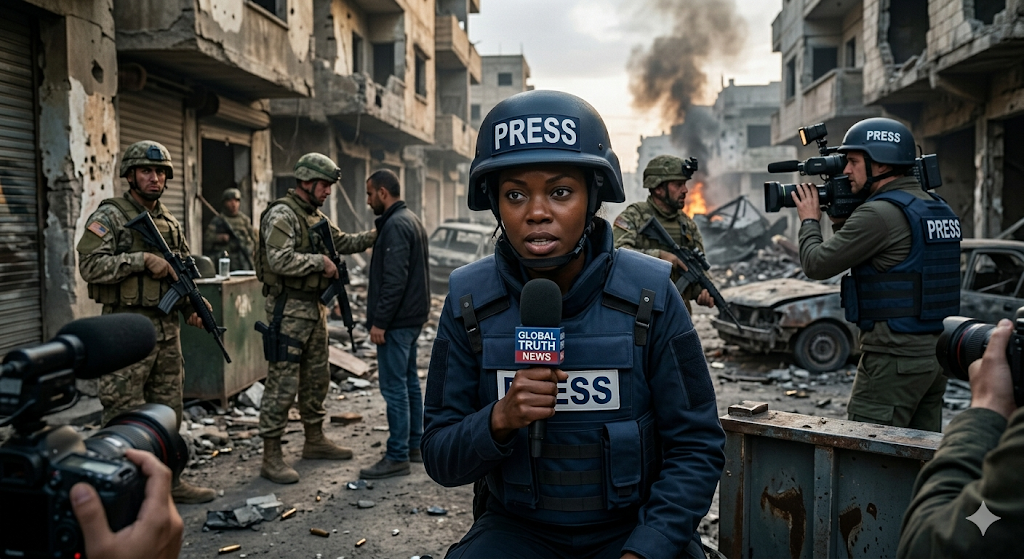
Journalism has always played a critical role in protecting democracy, exposing corruption, and informing the public. However, in many parts of the world, reporting the truth has become an increasingly dangerous profession. In 2026, journalists continue to face threats ranging from government censorship and surveillance to arrests, kidnappings, torture, and even assassination.
War zones, authoritarian governments, organized crime networks, political instability, and digital surveillance have created extremely hostile environments for reporters. Many journalists risk their lives simply for publishing investigative reports, documenting protests, uncovering corruption, or sharing information that powerful groups want hidden.
Press freedom organizations around the world continue warning that journalism is under pressure globally. In several countries, reporters face imprisonment under vague national security laws, internet censorship, intimidation campaigns, and violence from both governments and extremist groups.
This article explores the most dangerous countries for journalists in 2026, the reasons these nations remain risky for media professionals, the growing threats to press freedom, and why protecting journalists matters for societies worldwide.
Why Journalism Has Become Increasingly Dangerous
Modern journalism faces challenges unlike any previous era. Technology has made reporting faster and more global, but it has also increased risks.
Major Threats Journalists Face
- Government censorship
- Arbitrary arrests
- Physical attacks
- Online harassment
- Surveillance technology
- Political intimidation
- Kidnappings
- Armed conflict
- Organized crime violence
- Disinformation campaigns
In many countries, journalists are targeted simply for doing investigative work or criticizing those in power.
The Importance of Press Freedom
A free press is considered one of the foundations of democracy.
Journalists help:
- Expose corruption
- Hold governments accountable
- Report human rights abuses
- Investigate organized crime
- Inform citizens during crises
- Protect public transparency
When journalists are silenced, societies often experience increased corruption, reduced accountability, and limited public awareness.
What Makes a Country Dangerous for Journalists?
Several factors contribute to unsafe conditions for reporters.
1. Authoritarian Governments
Countries with strict political control often suppress independent journalism.
2. Armed Conflicts
War zones expose journalists to bombings, kidnappings, and military violence.
3. Organized Crime
Drug cartels, gangs, and criminal networks frequently target investigative reporters.
4. Weak Legal Protection
In some countries, attacks on journalists rarely result in arrests or convictions.
5. Internet Surveillance
Governments increasingly use digital monitoring tools to track journalists and whistleblowers.
Most Dangerous Countries for Journalists in 2026
1. Afghanistan
Why It Remains Extremely Dangerous
Afghanistan continues to be one of the most dangerous countries for journalists due to political instability, extremist threats, and restrictions on media freedom.
Major Risks
- Threats from extremist groups
- Restrictions on female journalists
- Media censorship
- Detentions and intimidation
- Limited freedom of expression
Many independent media outlets have shut down because of security concerns and financial pressure.
Challenges for Women Journalists
Female reporters face particularly severe restrictions and safety risks.
2. Mexico
Why Journalists Face Serious Risks
Mexico remains one of the deadliest countries for journalists outside active war zones.
Major Threats
- Drug cartels
- Organized crime
- Political corruption
- Local government intimidation
Investigative reporters covering:
- Corruption
- Cartel violence
- Political scandals
often receive death threats or become targets of attacks.
Why Cases Often Go Unsolved
Many crimes against journalists result in low conviction rates, creating a climate of impunity.
3. Russia
Growing Pressure on Independent Media
Independent journalism in Russia has faced increasing restrictions in recent years.
Main Concerns
- Strict media laws
- Government censorship
- Surveillance
- Arrests for reporting on sensitive topics
- Restrictions on foreign media
Journalists reporting on politics, war, corruption, or protests often face significant risks.
Exile of Journalists
Many independent reporters have relocated abroad to continue their work safely.
4. Syria
One of the World’s Most Dangerous War Zones
Years of conflict have made Syria extremely hazardous for journalists.
Major Risks
- Armed conflict
- Bombings
- Kidnappings
- Extremist violence
- Government restrictions
War correspondents covering conflict zones face life-threatening conditions daily.
Challenges for Foreign Reporters
International journalists often require military protection or special arrangements to report safely.
5. China
Heavy Government Media Control
China maintains one of the world’s most sophisticated systems of internet censorship and surveillance.
Press Freedom Concerns
- Strict censorship laws
- Online monitoring
- Restrictions on foreign journalists
- Detention of independent reporters
- Content filtering
Topics considered politically sensitive often face strict control.
Digital Surveillance
Advanced surveillance systems create additional risks for investigative journalism.
6. Iran
Harsh Restrictions on Journalists
Iran has long been criticized for limiting press freedom and targeting independent reporters.
Risks Journalists Face
- Arrests
- Interrogations
- Internet restrictions
- Government censorship
- Political pressure
Journalists covering protests or political dissent face especially high risks.
7. Myanmar
Media Conditions After Political Unrest
Following political instability and military control, journalism in Myanmar became increasingly dangerous.
Major Challenges
- Arrests of reporters
- Media shutdowns
- Restrictions on independent reporting
- Threats from armed groups
Several journalists have reportedly been imprisoned for covering protests and political developments.
8. North Korea
Extreme Media Restrictions
North Korea remains one of the most closed countries in the world regarding press freedom.
Key Issues
- State-controlled media
- No independent journalism
- Severe censorship
- Strict punishment for unauthorized reporting
Foreign journalists operate under heavy restrictions and monitoring.
9. Pakistan
Risks from Multiple Sources
Journalists in Pakistan face threats from:
- Extremist groups
- Political tensions
- Security issues
- Organized networks
Common Challenges
- Intimidation
- Harassment
- Violence against reporters
- Online threats
Investigative journalists and political commentators often face increased pressure.
10. Somalia
Long-Term Security Challenges
Somalia remains dangerous due to armed conflict and extremist violence.
Risks Include
- Terror attacks
- Political instability
- Armed group threats
- Limited legal protection
Local journalists frequently work in highly insecure conditions.
Countries Where Digital Journalism Is Under Threat
Modern threats are no longer only physical. Digital surveillance and online intimidation have become major problems globally.
Growing Digital Risks
- Phone hacking
- Spyware attacks
- Online harassment
- Doxxing
- Social media threats
- Account surveillance
Investigative reporters and whistleblowers are increasingly targeted through cyber methods.
The Rise of Online Harassment Against Journalists
Female journalists and independent reporters often face intense online abuse.
Common Forms of Harassment
- Threatening messages
- Coordinated trolling
- Deepfake content
- Identity attacks
- Gender-based harassment
Online abuse can severely impact mental health and professional safety.
War Journalism: One of the World’s Most Dangerous Professions
War correspondents face extreme dangers while documenting conflicts.
Risks in Conflict Zones
- Airstrikes
- Crossfire
- Kidnapping
- Landmines
- Military detention
Despite these risks, war journalists provide critical information about humanitarian crises and global conflicts.
Investigative Journalism and Corruption
Investigative journalists often face retaliation after exposing:
- Political corruption
- Corporate crimes
- Human rights violations
- Financial scandals
- Organized crime operations
Their reporting can threaten powerful individuals and networks.
Why Organized Crime Targets Journalists
Drug cartels and criminal organizations attempt to silence reporters who investigate illegal activities.
Common Criminal Topics Reporters Cover
- Drug trafficking
- Human trafficking
- Money laundering
- Illegal weapons trade
- Political corruption
In regions controlled by organized crime, journalism becomes extremely risky.
Press Freedom Rankings and Global Trends
International organizations monitor press freedom conditions worldwide.
Key Concerns in 2026
- Rising authoritarianism
- Expanding surveillance technology
- Internet censorship
- Political polarization
- Violence against media workers
Several countries have seen worsening press freedom conditions in recent years.
The Role of Social Media in Journalism Risks
Social media has transformed news reporting but also increased risks.
Benefits
- Faster information sharing
- Wider audience reach
- Citizen journalism
- Real-time updates
Risks
- Disinformation
- Harassment
- Misinformation campaigns
- Digital tracking
Journalists now face both physical and online threats simultaneously.
Why Some Journalists Continue Despite the Risks
Many reporters continue working because they believe journalism is essential for truth and accountability.
Motivations Include
- Public service
- Human rights advocacy
- Government transparency
- Exposing injustice
- Protecting democracy
For many journalists, reporting the truth outweighs personal risk.
Safety Measures Journalists Use
Journalists working in dangerous environments often follow strict safety protocols.
Common Safety Practices
- Encrypted communication
- Protective equipment
- Emergency evacuation plans
- Anonymous reporting
- Cybersecurity training
International media organizations also provide hostile-environment training for war correspondents.
The Importance of Protecting Journalists
Protecting journalists is essential for maintaining free societies.
When journalists are silenced:
- Corruption increases
- Human rights abuses go unreported
- Public awareness declines
- Democracies weaken
Press freedom organizations continue urging governments to strengthen protections for media workers.
Organizations Supporting Press Freedom
Several international groups advocate for journalist safety.
Important Organizations
- Reporters Without Borders
- Committee to Protect Journalists
- International Federation of Journalists
These organizations monitor attacks, provide support, and advocate for press freedom globally.
How Technology Is Changing Journalism Safety
Technology creates both opportunities and threats.
Positive Developments
- Secure communication apps
- Satellite reporting tools
- Remote reporting technology
- AI-powered fact-checking
Negative Developments
- AI-generated misinformation
- Facial recognition surveillance
- Government spyware
- Mass digital monitoring
Future journalism safety will increasingly depend on cybersecurity and digital privacy.
Journalism Students and the Reality of Modern Reporting
Many journalism students enter the profession motivated by truth and storytelling. However, modern journalism also requires understanding security risks.
Important Skills for Modern Journalists
- Cybersecurity awareness
- Fact-checking
- Conflict reporting ethics
- Digital verification
- Crisis communication
The profession now combines traditional reporting with technological knowledge.
The Future of Press Freedom
Press freedom remains uncertain in many regions.
Key Future Challenges
- Expanding surveillance systems
- AI-driven censorship
- Political extremism
- Declining media trust
- Online disinformation
At the same time, independent journalism continues evolving through digital platforms, nonprofit media organizations, and global collaborations.
Why Journalism Still Matters
Despite growing dangers, journalism remains one of society’s most important professions.
Journalists:
- Document history
- Expose wrongdoing
- Inform citizens
- Amplify marginalized voices
- Investigate powerful institutions
Without independent reporting, societies lose transparency and accountability.
Conclusion
The most dangerous countries for journalists in 2026 reflect the growing global challenges facing press freedom. In nations like Afghanistan, Mexico, Russia, Syria, and China, reporters continue risking their safety to uncover truth and inform the public.
Modern journalism faces threats from governments, organized crime, armed conflict, digital surveillance, and online harassment. Yet despite these dangers, journalists worldwide continue documenting critical events, exposing corruption, and defending public accountability.
As technology evolves and political tensions increase globally, protecting journalists and defending press freedom will remain essential for democracy, transparency, and human rights. The courage shown by reporters working in dangerous environments reminds the world why independent journalism continues to matter more than ever.