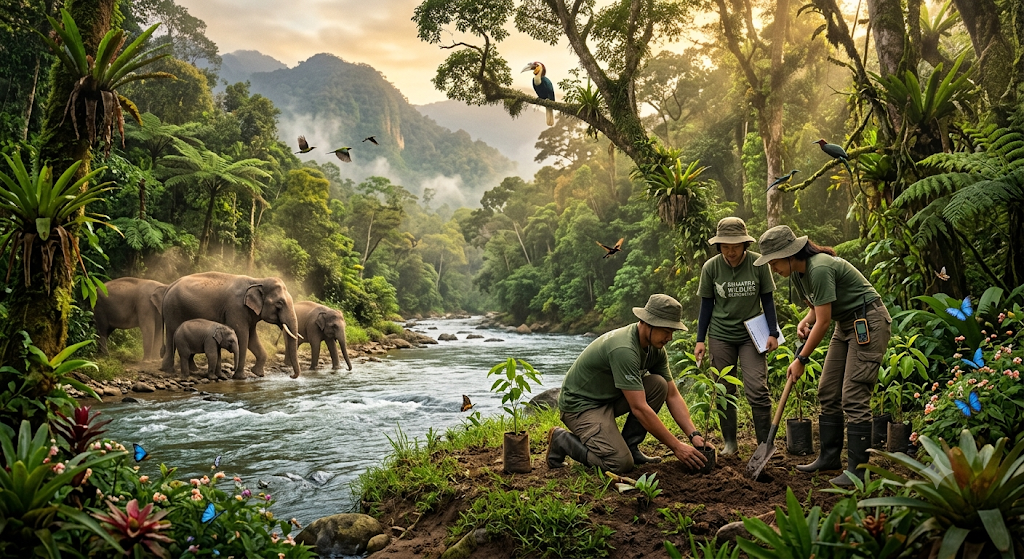
Biodiversity is the foundation of life on Earth. It encompasses the vast variety of plants, animals, microorganisms, and ecosystems that interact to maintain the natural balance of our planet. From dense tropical rainforests and coral reefs to grasslands and wetlands, biodiversity supports ecological stability, economic development, food security, and human well-being.
However, biodiversity is declining at an alarming rate. Species are disappearing faster than at any other period in human history, ecosystems are being degraded, and natural habitats are shrinking due to human activities. Scientists and environmental organizations warn that the world is facing a biodiversity crisis that could have profound consequences for future generations.
The loss of biodiversity affects more than wildlife. It threatens agriculture, freshwater resources, climate regulation, public health, and economic sustainability. In response, governments, conservation organizations, businesses, and local communities are implementing various conservation efforts to protect ecosystems and restore environmental balance.
Understanding biodiversity loss and the measures being taken to address it is essential for creating a sustainable future.
What Is Biodiversity?
Biodiversity refers to the variety of life found on Earth. It includes all living organisms and the ecosystems in which they exist.
Biodiversity can be categorized into three main levels:
Genetic Diversity
Genetic diversity refers to the variation of genes within a species.
This diversity allows populations to adapt to changing environmental conditions and resist diseases.
Species Diversity
Species diversity refers to the variety of different species within a region or ecosystem.
A healthy ecosystem typically contains a wide range of species performing different ecological functions.
Ecosystem Diversity
Ecosystem diversity includes forests, oceans, deserts, wetlands, grasslands, and other natural habitats.
Each ecosystem supports unique communities of plants and animals.
Together, these forms of biodiversity contribute to the resilience and stability of Earth’s natural systems.
Why Biodiversity Matters
Biodiversity provides countless benefits that support human survival and economic development.
These benefits include:
- Food production
- Clean air and water
- Pollination of crops
- Climate regulation
- Disease control
- Soil fertility
- Natural resources
- Cultural and recreational value
Healthy ecosystems also help protect communities from natural disasters such as floods, droughts, and storms.
Without biodiversity, many essential ecosystem services would be compromised.
The Growing Biodiversity Crisis
Scientists estimate that species are disappearing at rates significantly higher than natural background extinction levels.
Many ecosystems are experiencing severe declines in wildlife populations and habitat quality.
The current biodiversity crisis is often referred to as the sixth mass extinction, driven largely by human activities rather than natural processes.
Unlike previous extinction events, today’s biodiversity loss is occurring rapidly and on a global scale.
Major Causes of Biodiversity Loss
Habitat Destruction
Habitat loss is the leading cause of biodiversity decline worldwide.
Natural habitats are being converted for:
- Agriculture
- Urban development
- Infrastructure projects
- Industrial activities
- Mining operations
As habitats shrink or become fragmented, species lose access to food, shelter, and breeding areas.
Deforestation
Forests support a large percentage of Earth’s terrestrial biodiversity.
Deforestation occurs due to:
- Logging
- Agricultural expansion
- Cattle ranching
- Urbanization
Forest loss destroys critical habitats and contributes to climate change.
Tropical rainforests are particularly vulnerable because they contain some of the highest concentrations of biodiversity on the planet.
Climate Change
Climate change is increasingly affecting ecosystems worldwide.
Rising temperatures alter:
- Species distributions
- Migration patterns
- Reproductive cycles
- Ecosystem dynamics
Some species cannot adapt quickly enough to changing environmental conditions.
As a result, climate change increases extinction risks for many plants and animals.
Pollution
Environmental pollution negatively impacts biodiversity in multiple ways.
Major forms of pollution include:
- Plastic pollution
- Chemical contamination
- Air pollution
- Water pollution
- Agricultural runoff
Pollutants can harm wildlife directly or degrade ecosystems over time.
Marine ecosystems are particularly vulnerable to plastic waste and chemical contaminants.
Overexploitation of Natural Resources
Unsustainable harvesting of natural resources contributes significantly to biodiversity loss.
Examples include:
- Overfishing
- Illegal wildlife trade
- Excessive hunting
- Unsustainable logging
When species are removed faster than they can reproduce, populations decline rapidly.
Invasive Species
Invasive species are non-native organisms introduced into new environments.
These species often compete with native wildlife for resources and may spread diseases.
Invasive species can disrupt ecosystems and lead to declines in native populations.
Impact of Biodiversity Loss on Ecosystems
Biodiversity plays a critical role in maintaining ecosystem stability.
When species disappear, ecosystems become less resilient and more vulnerable to environmental changes.
Consequences may include:
- Reduced productivity
- Increased disease outbreaks
- Soil degradation
- Water quality decline
- Ecosystem collapse
Healthy ecosystems rely on complex interactions among species.
The loss of key species can trigger cascading effects throughout entire ecosystems.
Impact on Food Security
Agriculture depends heavily on biodiversity.
Many crops rely on pollinators such as:
- Bees
- Butterflies
- Birds
- Bats
Biodiversity also supports:
- Soil fertility
- Pest control
- Crop resilience
Declining biodiversity can reduce agricultural productivity and threaten global food supplies.
As populations continue growing, protecting biodiversity becomes increasingly important for food security.
Biodiversity and Human Health
Human health is closely linked to biodiversity.
Natural ecosystems contribute to health through:
- Clean drinking water
- Air purification
- Disease regulation
- Medicinal resources
Many modern medicines originate from plants, animals, and microorganisms found in nature.
Biodiversity loss may reduce opportunities for future medical discoveries.
Environmental degradation can also increase the risk of emerging infectious diseases.
Economic Consequences of Biodiversity Loss
Nature provides valuable ecosystem services that support economic activity.
Industries dependent on biodiversity include:
- Agriculture
- Fisheries
- Forestry
- Tourism
- Pharmaceuticals
The economic costs of biodiversity decline can be substantial.
Loss of ecosystem services often results in increased expenses for governments, businesses, and communities.
Protecting biodiversity is therefore both an environmental and economic priority.
Biodiversity Hotspots Around the World
Certain regions contain exceptionally high levels of biodiversity.
These areas are known as biodiversity hotspots.
Examples include:
- Tropical rainforests
- Coral reefs
- Mediterranean ecosystems
- Island habitats
Hotspots often contain many endemic species found nowhere else on Earth.
Protecting these regions is essential for global conservation efforts.
Conservation Efforts Around the World
Recognizing the importance of biodiversity, countries and organizations have implemented numerous conservation initiatives.
These efforts aim to protect species, restore ecosystems, and promote sustainable resource use.
Protected Areas
Protected areas remain one of the most effective conservation tools.
These include:
- National parks
- Wildlife sanctuaries
- Marine protected areas
- Nature reserves
Protected areas help preserve habitats and reduce human pressures on ecosystems.
Many threatened species depend on protected landscapes for survival.
Wildlife Conservation Programs
Conservation programs focus on protecting endangered species through:
- Habitat management
- Captive breeding
- Population monitoring
- Anti-poaching efforts
These initiatives have helped prevent the extinction of several species.
Continued investment is essential for long-term success.
Marine Conservation
Oceans support immense biodiversity but face growing threats from pollution, overfishing, and climate change.
Marine conservation efforts include:
- Sustainable fisheries management
- Coral reef restoration
- Marine protected areas
- Plastic pollution reduction
Healthy oceans are critical for global biodiversity and climate regulation.
Ecosystem Restoration Projects
Restoration involves repairing damaged ecosystems and returning them to healthy functioning conditions.
Examples include:
Reforestation
Planting trees helps restore forest ecosystems and create habitats for wildlife.
Reforestation also contributes to carbon sequestration and climate mitigation.
Wetland Restoration
Wetlands support biodiversity while providing flood protection and water purification services.
Restoring degraded wetlands benefits both wildlife and human communities.
Grassland Recovery
Grassland restoration improves soil health, supports pollinators, and enhances ecosystem resilience.
Sustainable Agriculture and Biodiversity
Agricultural practices can either harm or support biodiversity.
Sustainable farming methods include:
- Crop rotation
- Agroforestry
- Organic farming
- Reduced pesticide use
- Soil conservation techniques
These approaches help balance food production with environmental protection.
Role of Indigenous Communities in Conservation
Indigenous peoples often possess extensive ecological knowledge developed over generations.
Many indigenous-managed lands contain high levels of biodiversity.
Supporting indigenous conservation efforts can contribute significantly to ecosystem protection.
Traditional knowledge often complements modern scientific approaches.
Technology and Conservation Innovation
Technology is transforming biodiversity conservation.
Satellite Monitoring
Satellites provide valuable information about:
- Deforestation
- Habitat loss
- Wildlife movement
- Environmental changes
Real-time monitoring improves conservation planning.
Artificial Intelligence
AI helps analyze large environmental datasets and identify conservation priorities.
Applications include:
- Species recognition
- Poaching detection
- Habitat mapping
- Climate impact assessment
Drones for Wildlife Protection
Drones assist conservationists by monitoring remote areas and tracking wildlife populations.
They improve efficiency while reducing operational costs.
Genetic Technologies
Advances in genetics support conservation through:
- Population monitoring
- Species identification
- Disease detection
These tools help researchers make informed management decisions.
Climate Change and Biodiversity Conservation
Climate change presents one of the greatest challenges to conservation efforts.
Many species face shifting habitats and changing environmental conditions.
Conservation strategies increasingly focus on:
- Ecosystem resilience
- Habitat connectivity
- Climate adaptation planning
Protecting biodiversity can also help mitigate climate change through carbon storage and ecosystem restoration.
Corporate Responsibility and Biodiversity
Businesses are increasingly recognizing the importance of biodiversity conservation.
Corporate initiatives include:
- Sustainable sourcing
- Deforestation-free supply chains
- Habitat restoration
- Environmental impact assessments
Investors and consumers are increasingly supporting companies with strong sustainability commitments.
International Cooperation for Biodiversity Protection
Biodiversity conservation requires global collaboration.
Many species migrate across national borders, and environmental challenges often affect multiple countries.
International efforts support:
- Protected area expansion
- Wildlife trafficking prevention
- Conservation funding
- Scientific collaboration
Coordinated action strengthens conservation outcomes.
Challenges Facing Conservation Efforts
Despite progress, several obstacles remain.
Limited Funding
Conservation programs often face financial constraints.
Adequate funding is necessary for long-term success.
Population Growth
Growing populations increase demand for land, food, and natural resources.
Balancing development and conservation remains challenging.
Illegal Wildlife Trade
Wildlife trafficking continues to threaten many species.
Strengthening enforcement and reducing demand are essential.
Climate Uncertainty
Rapid environmental changes make conservation planning increasingly complex.
Adaptive management strategies are needed to address evolving conditions.
Individual Actions to Support Biodiversity
Everyone can contribute to biodiversity protection.
Simple actions include:
- Planting native vegetation
- Reducing plastic waste
- Supporting sustainable products
- Conserving water
- Participating in local conservation projects
Individual choices collectively create meaningful environmental benefits.
Future Outlook for Biodiversity Conservation
The future of biodiversity depends on actions taken today.
Promising developments include:
- Growing environmental awareness
- Advances in conservation technology
- Expanded protected areas
- Sustainable business practices
- Ecosystem restoration initiatives
However, urgent action remains necessary to reverse current trends.
Governments, businesses, scientists, and communities must work together to protect Earth’s natural heritage.
Conclusion
Biodiversity is essential for the health of ecosystems, economies, and human societies. Yet it faces unprecedented threats from habitat destruction, climate change, pollution, overexploitation, and invasive species. The ongoing loss of biodiversity has far-reaching consequences for food security, public health, environmental stability, and economic development.
Fortunately, significant conservation efforts are underway worldwide. Protected areas, ecosystem restoration projects, sustainable agriculture, technological innovations, and international cooperation are helping safeguard species and habitats. While challenges remain, these initiatives demonstrate that meaningful progress is possible.
Protecting biodiversity is not solely the responsibility of governments or environmental organizations. Businesses, local communities, and individuals all have important roles to play. By supporting conservation efforts and adopting sustainable practices, society can help preserve Earth’s rich diversity of life for future generations.
The choices made today will determine whether biodiversity continues to decline or whether ecosystems can recover and thrive. Investing in conservation is ultimately an investment in a healthier, more resilient, and more sustainable future for all.