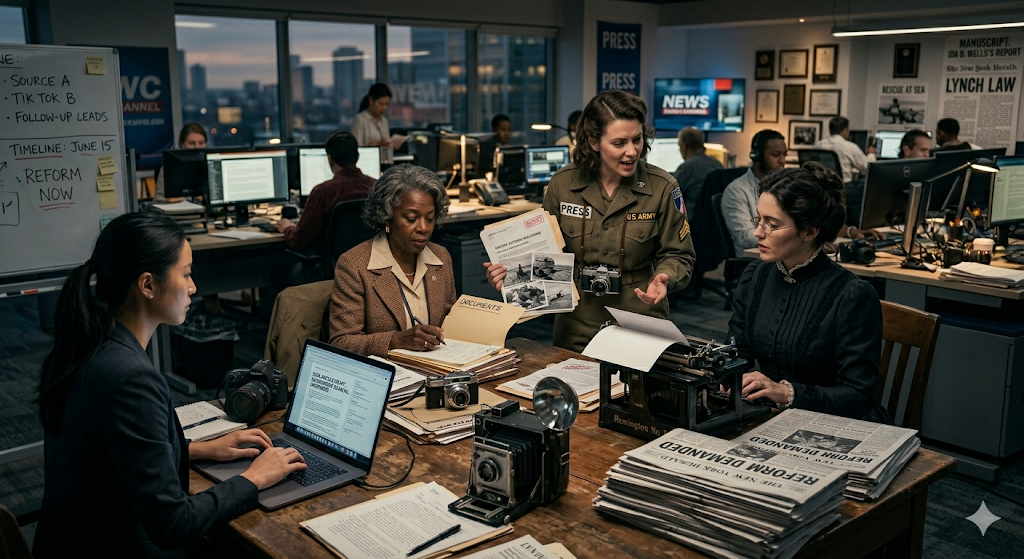
Women have played a transformative role in the history of journalism, shaping public opinion, exposing injustice, reporting from war zones, and redefining how news is gathered and presented. Despite facing discrimination, censorship, limited opportunities, and societal barriers throughout history, female journalists continued to break boundaries and establish themselves as powerful voices in the media industry.
From pioneering newspaper editors in the 19th century to modern investigative reporters, war correspondents, television anchors, digital media creators, and independent journalists, women have significantly influenced the development of journalism across the world.
In 2026, the contributions of women in journalism are more recognized than ever. Female journalists continue leading investigative reporting, political coverage, documentary filmmaking, digital storytelling, and social justice journalism while inspiring future generations to pursue media careers.
This article explores the role of women in journalism history, highlighting their struggles, achievements, contributions, and long-lasting impact on the global media landscape.
Introduction to Women in Journalism
Journalism was historically considered a male-dominated profession. In earlier centuries, women were often excluded from newsrooms and denied opportunities to cover serious topics such as politics, crime, war, and business.
Most women in early journalism were limited to writing about:
- Fashion
- Society events
- Household topics
- Lifestyle content
However, many determined women challenged these restrictions and proved that female journalists could excel in investigative reporting, political analysis, war correspondence, and editorial leadership.
Over time, women transformed journalism by bringing new perspectives, empathy, social awareness, and courageous storytelling into the profession.
Early Women Journalists in History
The role of women in journalism began evolving during the 18th and 19th centuries.
Women and Early Newspapers
Some women became newspaper publishers and editors when male family members died or became unavailable. Though initially overlooked, these women helped sustain early newspaper businesses.
Growth During the 19th Century
The expansion of newspapers created limited opportunities for women writers and columnists.
Women often wrote anonymously because society discouraged women from publicly expressing opinions.
Nellie Bly and Investigative Journalism
Nellie Bly remains one of the most influential women in journalism history.
Who Was Nellie Bly?
She was an American journalist famous for her groundbreaking investigative reporting during the late 1800s.
Major Contributions
She became famous for:
- Undercover journalism
- Exposing mental asylum abuse
- Investigative reporting techniques
Most Famous Investigation
Bly pretended to be mentally ill to investigate conditions inside a psychiatric institution.
Her reporting exposed severe mistreatment and led to reforms.
Why She Changed Journalism
Nellie Bly demonstrated that women could perform dangerous investigative work traditionally reserved for men.
Ida B. Wells and Activist Journalism
Ida B. Wells played a major role in combining journalism with civil rights activism.
Her Contributions
She investigated racial violence and lynching in the United States.
Courageous Reporting
Despite threats and intimidation, Wells continued publishing investigative articles exposing injustice.
Legacy
She became one of the most respected early investigative journalists and social reform advocates.
Women in War Journalism
Women eventually entered war correspondence despite major resistance.
Challenges Female War Reporters Faced
- Safety risks
- Gender discrimination
- Limited access to battlefields
- Social stereotypes
Why Women War Correspondents Were Important
Female reporters often covered:
- Civilian suffering
- Humanitarian crises
- Social impact of war
Their reporting added emotional depth to conflict journalism.
Martha Gellhorn: Legendary War Correspondent
Martha Gellhorn became one of history’s most respected war journalists.
Career Highlights
She reported on:
- World War II
- The Spanish Civil War
- Vietnam War
Why She Was Influential
Gellhorn focused heavily on ordinary people affected by war rather than political leaders alone.
Rise of Women in Broadcast Journalism
Television transformed journalism during the 20th century.
Initially, women faced barriers in broadcast media as well.
Early Limitations
Women were often hired based on appearance rather than journalistic ability.
Gradual Progress
Over time, female broadcasters proved themselves as capable anchors, reporters, and correspondents.
Barbara Walters and Television Journalism
Barbara Walters became one of the most iconic female journalists in television history.
Major Achievements
She was among the first women to co-anchor major American news programs.
Famous Interviews
Walters interviewed:
- Political leaders
- Celebrities
- World figures
Impact on Journalism
She helped normalize women in leadership roles within television news.
Women in Political Journalism
Political reporting was traditionally dominated by men.
Female journalists gradually entered political journalism through persistence and talent.
Contributions
Women political reporters introduced:
- Diverse perspectives
- Strong interview styles
- Social issue coverage
Today, many leading political correspondents are women.
Women in Investigative Journalism
Investigative journalism became one of the most influential areas where women made significant contributions.
Strengths Female Journalists Brought
- Deep interviewing skills
- Empathy-driven storytelling
- Persistence
- Human-centered reporting
Women played major roles in uncovering corruption, abuse, and injustice worldwide.
Female Journalists and Social Change
Women journalists often highlighted social issues ignored by mainstream media.
Common Topics Covered
- Gender inequality
- Child labor
- Domestic violence
- Education access
- Healthcare issues
Their reporting contributed to public awareness and reform movements.
Women in Journalism During the Civil Rights Era
Female journalists played essential roles during civil rights movements.
Reporting on Inequality
Women reporters documented protests, discrimination, and activism.
Expanding Representation
More women of diverse racial and cultural backgrounds entered journalism.
Christiane Amanpour and International Reporting
Christiane Amanpour became one of the world’s most respected international correspondents.
Reporting Style
She gained recognition for:
- Conflict reporting
- International political coverage
- War journalism
Why She Matters
Amanpour proved women could lead high-risk global reporting.
Women in Journalism and Feminism
Journalism became an important tool in feminist movements.
Media Representation
Female journalists challenged:
- Workplace inequality
- Gender stereotypes
- Media bias
Expanding Opportunities
Women fought for equal opportunities in newsrooms and leadership positions.
Challenges Women Journalists Faced Historically
Despite progress, women in journalism faced numerous obstacles.
Workplace Discrimination
Many women were denied promotions and leadership roles.
Unequal Pay
Gender pay gaps affected media industries worldwide.
Harassment
Female journalists often experienced workplace harassment and online abuse.
Limited Assignments
Women were frequently excluded from “serious” reporting topics.
Women in Journalism Leadership Roles
Over time, women became editors, publishers, and newsroom executives.
Why Leadership Matters
Female leadership helped:
- Increase newsroom diversity
- Expand story perspectives
- Improve representation
Today many global media organizations are led by women.
Women in Photojournalism
Photojournalism also saw major contributions from women.
Female Photojournalists Covered
- Wars
- Protests
- Humanitarian crises
- Cultural movements
Their visual storytelling documented important historical events.
Women and Digital Journalism
The internet revolution opened new opportunities for female journalists.
Digital Platforms Empowered Women
Women now build independent journalism careers through:
- Blogs
- YouTube
- Podcasts
- Social media
- Independent newsletters
Rise of Personal Branding
Many women journalists developed influential personal media brands online.
Female Journalists in Investigative Documentaries
Women increasingly lead documentary journalism projects.
Popular Areas
- Human rights
- Environmental issues
- Political corruption
- Social justice
Documentary journalism allows deeper storytelling.
Women Journalists Covering Conflict Zones
Modern female war correspondents continue risking their lives in dangerous regions.
Important Contributions
They provide:
- Ground-level perspectives
- Civilian stories
- Humanitarian coverage
Their work helps global audiences understand conflict realities.
Women in Sports Journalism
Sports journalism historically excluded women.
Progress Over Time
Women now work as:
- Sports anchors
- Analysts
- Reporters
- Commentators
Ongoing Challenges
Gender stereotypes still affect women in sports media.
Role of Women in Journalism Education
Women now dominate many journalism schools globally.
Why This Matters
More female journalism graduates increase industry diversity and representation.
Social Media and Women Journalists
Social media transformed modern journalism careers.
Opportunities
Women journalists can now:
- Build audiences directly
- Share independent reporting
- Create multimedia content
Challenges
Online harassment remains a major issue.
Famous Women Journalists Around the World
Many women became global journalism icons.
Influential Female Journalists
- Oriana Fallaci
- Marie Colvin
- Christiane Amanpour
- Barbara Walters
- Nellie Bly
These women influenced journalism across generations.
Women in Indian Journalism History
India also witnessed remarkable contributions from female journalists.
Growth of Women in Indian Media
Women entered:
- Print journalism
- Television reporting
- Digital media
- Political journalism
Modern Influence
Female Indian journalists now play major roles in national and international reporting.
Importance of Diversity in Journalism
Women helped journalism become more inclusive and representative.
Why Diversity Matters
Diverse newsrooms produce:
- Better storytelling
- Broader perspectives
- Inclusive reporting
Women Journalists and Press Freedom
Female journalists often face serious threats while reporting.
Risks Include
- Political intimidation
- Violence
- Online abuse
- Censorship
Despite risks, many continue fearless reporting.
Future of Women in Journalism
Women continue reshaping journalism in the digital era.
Future Trends
- Independent journalism growth
- Podcast journalism
- AI-assisted reporting
- Multimedia storytelling
- Entrepreneurial journalism
Women are expected to remain central to these developments.
Why Women’s Contributions to Journalism Matter
The role of women in journalism history is important because female journalists:
- Expanded newsroom diversity
- Exposed injustice
- Challenged stereotypes
- Humanized storytelling
- Strengthened democratic accountability
Their contributions transformed global media permanently.
Lessons Aspiring Journalists Can Learn
Courage Matters
Many female journalists risked careers and safety to report truthfully.
Persistence Creates Change
Progress often came slowly through determination.
Journalism Can Influence Society
Reporting can inspire awareness and reform.
Frequently Asked Questions
Who Was the First Female Investigative Journalist?
Nellie Bly is often considered one of the earliest famous female investigative journalists.
Why Were Women Excluded From Journalism Historically?
Social norms and gender stereotypes limited opportunities.
How Did Women Change Journalism?
Women expanded reporting topics, perspectives, and investigative methods.
Are Women Well Represented in Journalism Today?
Representation has improved significantly, though challenges remain.
Final Thoughts
The role of women in journalism history is a story of courage, persistence, and transformation. Despite centuries of discrimination and barriers, women journalists fought for opportunities to report important stories, challenge injustice, and reshape global media industries.
From pioneering investigative reporters like Nellie Bly and civil rights advocates like Ida B. Wells to modern international correspondents such as Christiane Amanpour, women have continually expanded the boundaries of journalism.
Today, female journalists influence every area of media, including investigative reporting, television journalism, political analysis, digital storytelling, documentary filmmaking, and social media journalism. Their work continues strengthening press freedom, democratic accountability, and public awareness worldwide.
As journalism evolves in the digital age, women remain at the forefront of innovation, storytelling, and truth-seeking, ensuring their legacy in journalism history continues to inspire future generations.