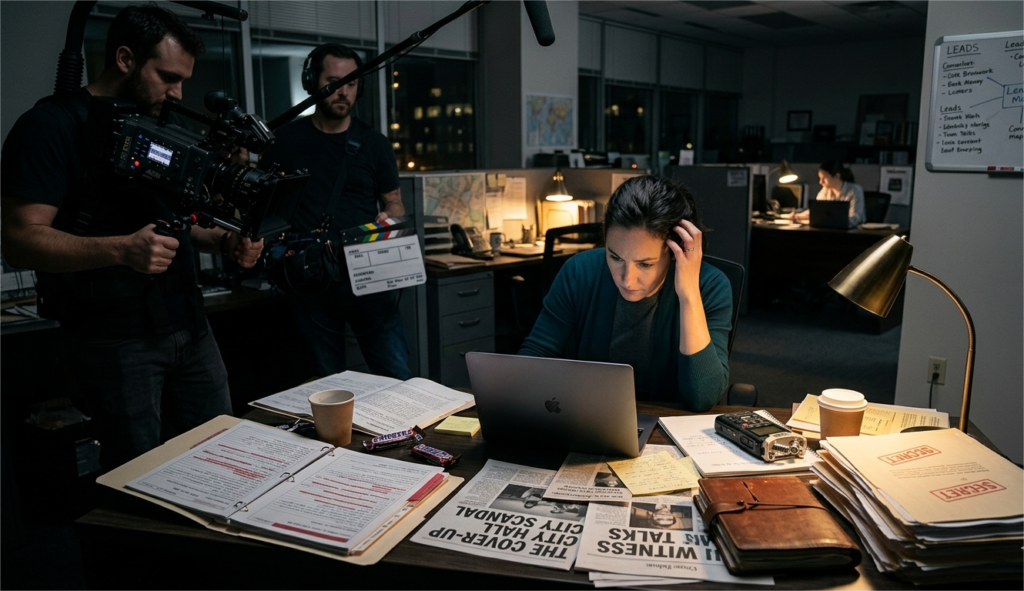
Journalism serves as the backbone of a functioning democracy. It holds the powerful accountable, gives a voice to the voiceless, and shines a light on truths that might otherwise remain hidden in the shadows. But the work required to break a massive story is rarely glamorous. It involves countless hours of research, dead ends, ethical dilemmas, and sometimes, severe personal risk.
Visual storytelling offers a unique window into this high-stakes environment. Over the decades, filmmakers have captured the relentless drive of reporters chasing leads, the chaotic energy of a busy newsroom, and the heavy burden of getting the facts right. Watching these stories unfold on screen provides a deeper appreciation for the people who risk everything to keep the public informed.
While some of the titles on this list are traditional documentaries and others are dramatic films based on real events, they all masterfully capture the essence of the profession. These films explore the tension between government secrecy and press freedom, the transition from print to digital media, and the devastating consequences of journalistic fraud.
Here are the top 10 documentaries and films about journalism that every aspiring reporter, media student, and news enthusiast needs to watch.
1. All the President’s Men (1976)
Few stories have shaped the public perception of investigative journalism quite like the Watergate scandal. This classic film follows Washington Post reporters Bob Woodward and Carl Bernstein as they slowly unravel a massive political conspiracy that ultimately led to the resignation of President Richard Nixon.
What makes this film essential viewing is its unwavering focus on the grueling, unglamorous process of reporting. You see the endless phone calls, the door-knocking, and the careful cultivation of anonymous sources like “Deep Throat.” It perfectly captures the persistence required to chase a story that powerful people desperately want to kill.
Key takeaways from the film:
- The importance of double-sourcing and fact-checking every detail.
- The courage required to stand behind a story when the government pushes back.
- The profound impact that local reporters can have on national history.
2. Page One: Inside The New York Times (2011)
The media landscape shifted dramatically at the dawn of the digital age. Page One: Inside The New York Times provides a fascinating, behind-the-scenes look at one of the world’s most prestigious newsrooms as it navigates this turbulent transition.
The documentary focuses primarily on the media desk, featuring prominent writers like David Carr as they grapple with declining ad revenues, the rise of the internet, and the changing habits of news consumers. It is a time capsule of a critical moment in media history, showing how traditional journalism fought to adapt without losing its core values.
Key takeaways from the documentary:
- A raw look at newsroom culture and editorial debates.
- The harsh financial realities of modern media.
- The ongoing battle between traditional reporting and new digital platforms.
3. The Fourth Estate (2018)
Covering a presidential administration is always a monumental task. Doing so during a period of intense political polarization requires a completely different level of stamina. The Fourth Estate is a gripping documentary series that embeds viewers inside The New York Times during the first year of the Trump administration.
The series highlights the relentless pace of the modern news cycle. Reporters are shown scrambling to verify leaks, competing for scoops, and managing the emotional toll of covering a White House that openly refers to the press as the “enemy of the people.”
Key takeaways from the series:
- An exploration of the media’s role as the “fourth estate” in a democratic society.
- The sheer exhaustion and dedication of political correspondents.
- The ethical challenges of covering a deeply unconventional presidency.
4. Citizenfour (2014)
Directed by Laura Poitras, this Oscar-winning documentary unfolds like a real-life espionage thriller. Citizenfour captures the exact moments when whistleblower Edward Snowden met with journalists in a Hong Kong hotel room to hand over classified documents detailing the NSA’s mass surveillance programs.
The film is a masterclass in source protection and secure communication. It highlights the immense responsibility journalists carry when handling classified information that compromises national security, while balancing the public’s right to know.
Key takeaways from the documentary:
- The realities of investigative journalism in the age of digital surveillance.
- The legal and personal risks faced by whistleblowers and the reporters who protect them.
- A profound look at press freedom and government transparency.
5. Spotlight (2015)
Based on the true story of The Boston Globe’s “Spotlight” team, this film details the grueling investigation into the Catholic Church’s systemic cover-up of widespread abuse. It is widely considered one of the most accurate depictions of investigative reporting ever put to film.
Unlike movies that rely on flashy action sequences, Spotlight builds tension through spreadsheets, library archives, and difficult interviews with trauma survivors. It shows how systemic corruption is rarely uncovered overnight, requiring months of patient, methodical work.
Key takeaways from the film:
- The necessity of long-term, well-funded investigative reporting.
- How institutions protect themselves at the expense of the vulnerable.
- The emotional weight reporters carry when handling sensitive and traumatic stories.
6. The Post (2017)
Before Watergate, there was the battle over the Pentagon Papers. The Post tells the story of The Washington Post’s publisher Katharine Graham and executive editor Ben Bradlee as they risk their careers and the future of the company to publish classified documents exposing decades of government deception regarding the Vietnam War.
The film serves as a powerful reminder of the tension between national security and the public’s right to know. It also highlights the heavy burden placed on publishers who must weigh legal ruin against their journalistic duty.
Key takeaways from the film:
- The historical importance of the First Amendment and a free press.
- The complex relationship between journalists and the politicians they cover.
- The courage required to make difficult editorial decisions under intense pressure.
7. Shattered Glass (2003)
Not all stories about journalism are triumphant. Shattered Glass is a chilling exploration of journalistic malpractice, focusing on the true story of Stephen Glass, a young, charismatic writer at The New Republic who fabricated dozens of articles.
The film functions as a cautionary tale for any aspiring reporter. It shows how easily trust can be manipulated within a newsroom and highlights the vital importance of rigorous fact-checking and editorial oversight.
Key takeaways from the film:
- A stark warning about the consequences of prioritizing a good narrative over the truth.
- The vital role that fact-checkers play in maintaining a publication’s credibility.
- The devastating impact of institutional betrayal.
8. Kill the Messenger (2014)
This biographical film tells the tragic story of investigative journalist Gary Webb. In the 1990s, Webb published a controversial series linking the CIA to the crack cocaine epidemic in American cities. Instead of sparking a government investigation, Webb found himself the target of a vicious smear campaign by rival newspapers and government officials.
Kill the Messenger explores what happens when a reporter becomes the story. It is a sobering look at professional jealousy, the isolation of investigative work, and the devastating personal cost of challenging powerful institutions.
Key takeaways from the film:
- The intense backlash reporters can face when exposing uncomfortable truths.
- The dangers of “pack journalism” and media rivalries.
- The psychological toll of reporting on high-stakes government operations.
9. Risk (2016)
Also directed by Laura Poitras, Risk offers an unflinching look at Julian Assange and the controversial organization WikiLeaks. Filmed over several years, the documentary captures Assange as he navigates the publication of massive troves of classified documents while facing mounting legal troubles.
The film raises difficult questions about the boundaries of journalism in the internet age. It forces viewers to grapple with the difference between a traditional publisher and an information activist, and the ethical gray areas of dumping raw, unredacted data into the public domain.
Key takeaways from the documentary:
- The complex ethics of radical transparency.
- The shifting definition of who qualifies as a journalist.
- The personal flaws and complex motivations of those who leak information.
10. Under the Wire (2018)
War correspondence is perhaps the most dangerous form of journalism. Under the Wire documents the harrowing final assignment of celebrated Sunday Times war reporter Marie Colvin and photographer Paul Conroy as they sneak into the besieged city of Homs, Syria, in 2012.
The film is a raw, terrifying look at the physical dangers reporters face to bring stories of human suffering to the global stage. It highlights Colvin’s unwavering belief that the world needs to see the true cost of war, no matter the personal risk to the journalist.
Key takeaways from the documentary:
- The extreme physical and psychological risks of covering conflict zones.
- The bond of trust between reporters, photographers, and local fixers.
- The moral imperative to bear witness to human rights abuses.
Frequently Asked Questions About Journalism Films
Why are narrative films included in a list of journalism documentaries?
While films like All the President’s Men and Spotlight are scripted dramas, they are meticulously researched and based on true events. Journalism schools frequently use them as educational tools because they accurately depict the mechanics of reporting, newsroom dynamics, and the ethical frameworks that guide the profession.
What is the most important lesson these films teach?
The common thread through all these stories is verification. Whether a reporter is covering a local scandal or an international war, the core of the job is gathering evidence, verifying facts, and presenting the truth as clearly as possible. These films show that good journalism is rarely about dramatic “gotcha” moments; it is about slow, methodical hard work.
Are these films relevant to modern digital journalism?
Absolutely. While the technology has changed drastically—moving from typewriters to encrypted messaging apps—the core principles remain the same. The ethical dilemmas surrounding source protection, government pressure, and editorial independence explored in these films are just as relevant today as they were decades ago.
The Ongoing Pursuit of Truth
Journalism is an imperfect profession, run by human beings who make mistakes. But as these films and documentaries prove, a free and dedicated press is the best tool a society has for exposing corruption and understanding complex global issues. The reporters featured in these stories remind us that truth is worth fighting for, even when the obstacles seem insurmountable.
If these stories have inspired you, take action to support the industry. Watch these documentaries, study their methods, and most importantly, consider buying a subscription to a local newspaper. Supporting quality reporting ensures that the next generation of journalists has the resources they need to keep asking the hard questions.