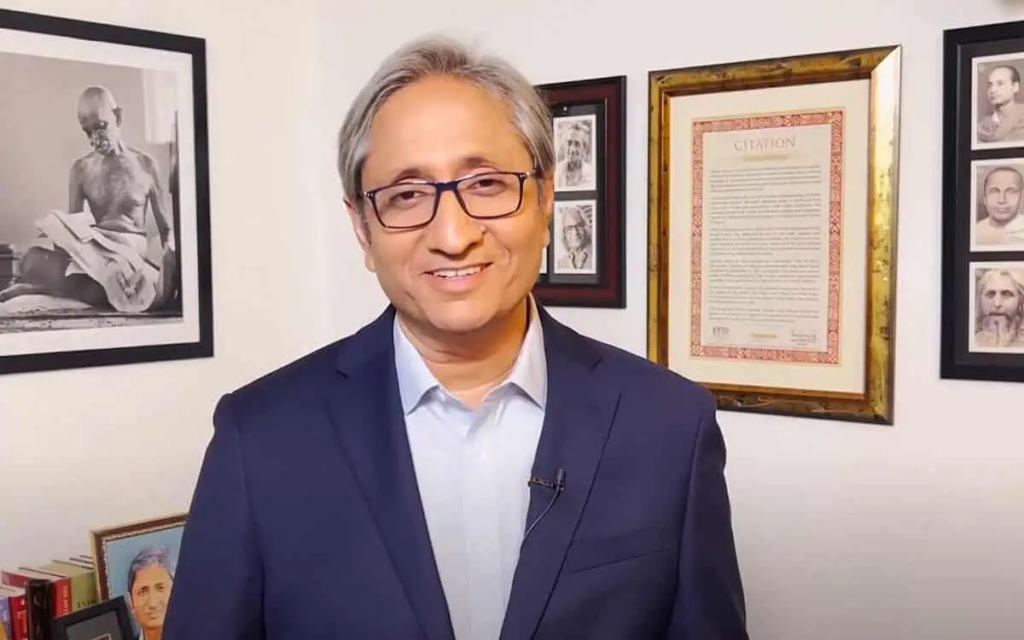
India’s media landscape has evolved dramatically—from the era of print dominance to the fast-paced digital news ecosystem we see today. At every stage, certain journalists have not just reported the news but shaped public opinion, influenced policy debates, and defined what journalism means in the country.
Introduction to Indian Journalism
Journalism in India is often called the fourth pillar of democracy. From the freedom struggle to modern-day governance, journalists have played a crucial role in informing citizens and holding power accountable.
Over the years, Indian journalism has seen icons who stood for truth—even in the face of political pressure, censorship, and personal risk.
Evolution of Media in India
The journey of Indian media can be divided into three major phases:
1. Pre-Independence Era
Newspapers were tools of resistance. Leaders like Bal Gangadhar Tilak used journalism to inspire freedom movements.
2. Post-Independence Era
Media became a bridge between the government and citizens, focusing on nation-building.
3. Digital & Modern Era
With platforms like YouTube and Twitter, journalism is now faster, more accessible, and more competitive than ever.
Top 10 Indian Journalists Who Defined Indian Media
1. Ravish Kumar
Ravish Kumar is one of India’s most respected journalists, known for his calm, analytical style and focus on grassroots issues.
- Former senior editor at NDTV
- Winner of the Ramon Magsaysay Award
- Known for programs like “Prime Time”
His journalism focuses on real issues like education, unemployment, and rural India—often ignored by mainstream media.
2. Barkha Dutt
A prominent face of Indian television journalism, Barkha Dutt gained recognition during the Kargil War coverage.
- Former journalist at NDTV
- Founder of Mojo Story
- Known for on-ground reporting
Her work during crises like COVID-19 highlighted real stories from across India.
3. Rajdeep Sardesai
Rajdeep Sardesai is known for his political reporting and election analysis.
- Consulting editor at India Today
- Former editor-in-chief of CNN-IBN
He is widely respected for his balanced approach and in-depth election coverage.
4. Arnab Goswami
Arnab Goswami transformed prime-time news with his aggressive debate style.
- Founder of Republic TV
- Former editor-in-chief of Times Now
His style has sparked both massive popularity and strong criticism.
5. Prannoy Roy
A pioneer of modern television journalism in India.
- Co-founder of NDTV
- Known for election data analysis
He introduced data-driven journalism to Indian audiences.
6. Shekhar Gupta
One of India’s most influential editors and political commentators.
- Founder of ThePrint
- Former editor of The Indian Express
His show “Cut The Clutter” simplifies complex political issues.
7. Faye D’Souza
Faye D’Souza is known for people-centric journalism.
- Former executive editor at Mirror Now
She focuses on civic issues, citizen rights, and accountability.
8. P. Sainath
A legend in rural reporting.
- Founder of People’s Archive of Rural India
- Known for highlighting farmer issues
His work gives voice to India’s most underrepresented communities.
9. Nidhi Razdan
A respected anchor and international affairs expert.
- Former journalist at NDTV
She has covered global and national politics extensively.
10. Karan Thapar
Known for his sharp and fearless interviews.
- Associated with The Wire
His interviewing style is considered one of the toughest in Indian journalism.
Impact of These Journalists on Indian Society
These journalists have collectively:
- Strengthened democracy
- Brought accountability to power
- Highlighted social issues
- Shaped public discourse
Their work influences millions of people daily.
Challenges Faced by Indian Journalists
Journalism in India is not without its struggles:
- Political pressure
- Threats to press freedom
- Fake news and misinformation
- TRP-driven sensationalism
Despite this, many journalists continue to uphold ethical reporting.
Future of Indian Media
The future of journalism in India lies in:
- Digital-first platforms
- Independent journalism
- AI-powered news production
- Audience-driven content
However, credibility and trust will remain the most important factors.
FAQs
Q1. Who is the most famous journalist in India?
There is no single answer, but figures like Ravish Kumar and Arnab Goswami are widely recognized.
Q2. What makes a good journalist?
A good journalist must have:
- Integrity
- Strong research skills
- Objectivity
- Courage
Q3. Is journalism a good career in India?
Yes, journalism offers opportunities in TV, digital media, print, and content creation, though it can be challenging.
Q4. How has digital media changed journalism?
Platforms like YouTube and Twitter have made news faster and more interactive.
Conclusion
Indian journalism has been shaped by individuals who dared to question authority, report the truth, and represent the voices of millions. From traditional print legends to modern digital pioneers, these journalists continue to inspire future generations.
As media continues to evolve, the core values of journalism—truth, integrity, and public service—remain unchanged.