Choosing the right place to study journalism is a massive decision for your future career. The media landscape is shifting rapidly, demanding adaptable graduates who can handle everything from investigative reporting to digital content creation. You need a university that offers a blend of academic rigor, hands-on newsroom experience, and excellent industry connections.
Finding that perfect match requires looking at the data. The Guardian University Guide 2025 recently published its highly anticipated league table for journalism. This ranking evaluates institutions based on crucial factors like teaching quality, student feedback, staff ratios, and career prospects 15 months after graduation.
By analyzing these rankings alongside student satisfaction scores, we have compiled a comprehensive guide to the top institutions in the country. This breakdown will help you understand what makes each program unique, from their broadcast facilities to their track record of placing graduates in top media roles.
Read on to discover the 10 best UK universities for journalism, understand the importance of industry accreditations, and get answers to the most common questions about starting your media education.
1. Leeds Trinity University
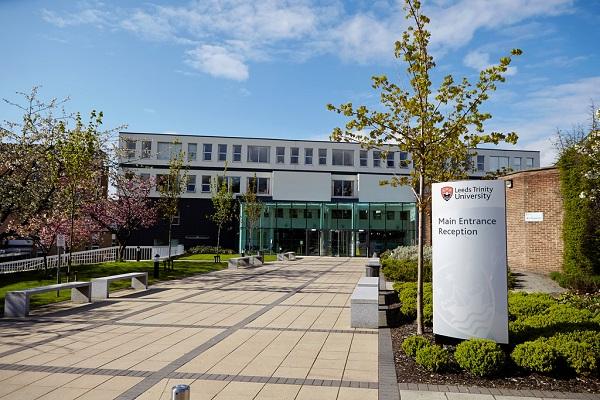
Taking the top spot in the Guardian 2025 league table is Leeds Trinity University, achieving a flawless Guardian score of 100/100. This institution has built a phenomenal reputation for producing industry-ready graduates.
An impressive 90.9% of students are satisfied with the teaching quality here. Even more notably, 92.8% report high satisfaction with the feedback they receive on their work. Journalism requires constant refinement and critique, making this high feedback score incredibly valuable for developing writers and broadcasters. The university also maintains a highly favorable student-to-staff ratio of 10.8, ensuring you get the personalized attention you need to thrive.
2. University of Sunderland
The University of Sunderland secures the second position with an outstanding overall score of 98.5/100. Sunderland is widely recognized for its fantastic media facilities and strong ties to the regional and national press.
Student satisfaction at Sunderland is exceptional. A staggering 97.9% of students are satisfied with their teaching, showing a deep commitment from the faculty to deliver engaging and relevant course material. The student-to-staff ratio is even lower here at 8.6, meaning you will have plenty of direct access to experienced lecturers and industry professionals. The continuation rate sits at 90.2%, indicating that students who start the course are highly likely to stick with it and succeed.
3. Staffordshire University
Staffordshire University ranks third, boasting a Guardian score of 97/100. Known for its practical approach to media education, Staffordshire ensures students get hands-on experience from day one.
The university scores brilliantly in student support metrics. It holds a 97.7% satisfaction rate for teaching and an incredible 96.3% for feedback. With a spend per student score of 10/10, it is clear that Staffordshire heavily invests in its journalism resources, likely updating software, camera equipment, and newsroom facilities to keep pace with industry standards.
4. University of Central Lancashire (UCLan)
The University of Central Lancashire, commonly known as UCLan, takes the fourth spot with a score of 96.6/100. UCLan has a long-standing history of excellence in journalism education, heavily focusing on employability and real-world skills.
A major highlight for UCLan is its career placement rate. Data shows that 92% of graduates find themselves in a relevant career just 15 months after leaving the university. The teaching satisfaction remains high at 93.1%, and students benefit from strong connections to major news organizations across the UK.
5. University of Sheffield
Ranked fifth with a score of 96.5/100, the University of Sheffield is one of the most prestigious choices for aspiring reporters. Sheffield is consistently praised for its rigorous academic standards combined with practical newsroom training.
The university boasts the highest career placement metric in the top 10, with a remarkable 95% of students securing relevant employment 15 months after graduation. It also has a very high continuation rate of 95.5%. Sheffield requires a higher average entry tariff (147) than many others on this list, reflecting its competitive nature and academic prestige.
6. City St George’s (University of London)
Located in the heart of London’s media district, City St George’s (formerly City, University of London) ranks sixth with a score of 82/100. City is famous for giving students direct access to national news outlets, making it a powerhouse for networking and placements.
Students rate the teaching highly at 89.9%. The career prospects are also excellent, with 91% of graduates finding relevant work within 15 months. Studying at City means you are perfectly positioned to secure internships at major broadcasters, national newspapers, and top-tier digital publishers right on your doorstep.
7. University of Leeds
The University of Leeds takes the seventh position with an overall score of 80.8/100. Leeds offers a fantastic blend of academic excellence and dynamic media experience, giving students access to modern broadcast studios and live reporting projects.
Teaching satisfaction sits at a strong 91.1%. The university also scores a perfect 10/10 for its spend per student, ensuring that media facilities are top-notch. With an average entry tariff of 155, it is the most academically demanding institution on this list, attracting highly driven students. The continuation rate is exceptional at 95.6%, showing that students are highly engaged with the program.
8. Oxford Brookes University
Oxford Brookes University comes in eighth place, achieving a Guardian score of 79.1/100. It offers a highly supportive environment for budding journalists, emphasizing multimedia skills and digital reporting.
The university sees a fantastic teaching satisfaction rate of 93.2%. It also features a low student-to-staff ratio of 9.7, meaning you will receive plenty of one-on-one mentoring. A continuation rate of 93.8% further highlights the supportive and engaging nature of the course structure at Oxford Brookes.
9. University of Lincoln
Ranked ninth with a score of 79/100, the University of Lincoln provides an affordable and high-quality option for media students. Lincoln has steadily built a strong reputation for producing adaptable graduates who understand the modern digital landscape.
The university has a solid continuation rate of 95.5%, showing great student retention. Furthermore, 84% of graduates are actively working in their chosen career field within 15 months. The student-to-staff ratio is a very comfortable 10.5, ensuring you get the guidance you need while developing your portfolio.
10. Solent University
Rounding out the top 10 is Solent University in Southampton, scoring 78.7/100. Solent places a massive emphasis on practical, career-focused learning, giving students the tools to produce digital, print, and broadcast content.
Teaching satisfaction is very strong at 92.2%. Solent also posts a solid career placement rate, with 87% of students finding work 15 months after finishing their degree. With an accessible average entry tariff of 111, Solent is an excellent choice for students looking for a hands-on, highly practical entry into the media industry.
Understanding Industry Accreditations
When looking at university courses, you will likely see mentions of industry accreditations. The two most prominent bodies in the UK are the National Council for the Training of Journalists (NCTJ) and the Broadcast Journalism Training Council (BJTC).
Choosing an accredited course gives you a significant advantage in the job market. The NCTJ qualification is widely considered the gold standard for print and digital reporting. It ensures you learn essential legal knowledge, public affairs, and shorthand. The BJTC accreditation focuses more heavily on television, radio, and multimedia broadcasting. Employers highly value these accreditations because they guarantee you have been trained to professional industry standards.
Frequently Asked Questions
What A-levels do I need to study journalism?
Most UK universities look for A-levels in English (Literature or Language), Media Studies, History, or Politics. Strong writing skills are essential, and a passion for current affairs will help your application stand out. UCAS point requirements usually range from 100 to 140, depending on the university’s prestige.
What jobs can I get with a journalism degree?
Graduates are highly versatile. You can work as a news reporter, broadcast journalist, digital content creator, editor, or social media manager. Many graduates also transition smoothly into public relations, corporate communications, and marketing roles.
Is a journalism degree really worth the investment?
Yes. A dedicated degree provides you with vital media law knowledge, practical newsroom skills, and the chance to build a professional portfolio before you even graduate. It also gives you access to work placements and networking opportunities that are very difficult to secure on your own.
How much do journalism graduates typically earn in the UK?
Starting salaries for junior reporters and editorial assistants usually range from £20,000 to £28,000. Salaries can increase significantly as you gain experience, specialize in a specific niche, or move into major media markets like London or Manchester.
Your Next Steps for a Media Career
Selecting the best university for your journalism degree is the first major step toward a thrilling career in the media. Take the time to review the modules each university offers, check their industry accreditations, and attend open days to get a feel for the campus and the newsroom facilities. Start building your portfolio now by writing for a school paper, starting a blog, or creating multimedia content online. Your future in the newsroom starts with the choices you make today.