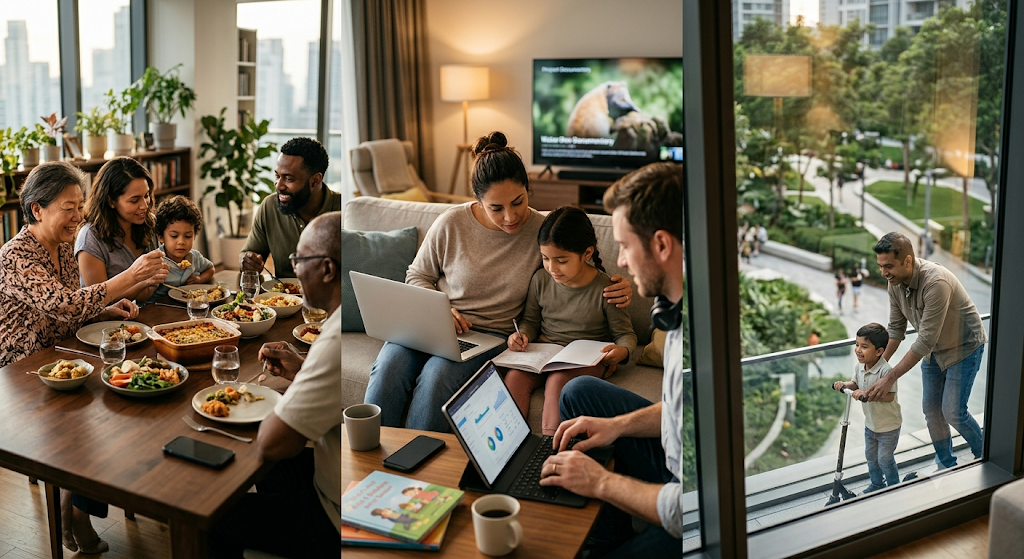
Family has always been considered the foundation of society. It is where people learn values, traditions, communication skills, and emotional support. For centuries, the traditional family model—typically consisting of two married parents and their children—was regarded as the standard across many cultures. However, the 21st century has witnessed significant changes in family structures and social norms due to globalization, technological advancement, urbanization, economic shifts, increased education, changing gender roles, and evolving cultural attitudes.
Today, families come in many forms. Single-parent households, blended families, dual-income couples, child-free marriages, multigenerational households, same-sex parents in countries where legally recognized, cohabiting partners, and individuals living independently have all become more common. At the same time, social expectations surrounding marriage, parenting, work-life balance, gender equality, and personal freedom continue to evolve.
These transformations are reshaping how people build relationships, raise children, care for older family members, and define success in both personal and professional life. While these changes have created greater flexibility and inclusivity, they have also introduced new challenges related to mental health, childcare, housing, economic security, and social support systems.
Understanding Family Structures
A family structure refers to the composition and organization of family members living together or maintaining close relationships. Traditionally, family structures were relatively uniform in many societies. Today, however, they are increasingly diverse.
Some common family structures include:
- Nuclear families
- Joint or extended families
- Single-parent families
- Blended families
- Child-free couples
- Multigenerational households
- Foster and adoptive families
- Couples living together without marriage
- Individuals living independently while maintaining strong family ties
Each structure reflects different cultural values, economic conditions, and personal choices.
What Are Social Norms?
Social norms are the unwritten rules and expectations that guide behavior within a society. They influence how people interact, communicate, work, marry, raise children, and participate in community life.
Examples of changing social norms include:
- Greater acceptance of women pursuing careers
- Shared parenting responsibilities
- Delayed marriage
- Later parenthood
- Increased emphasis on work-life balance
- Growing recognition of mental health
- More flexible career paths
- Greater acceptance of diverse family arrangements in many societies
Social norms evolve over time as societies adapt to changing cultural, technological, and economic realities.
Why Family Structures Are Changing
Several major factors have contributed to the transformation of modern families.
Urbanization
More people now live in cities where housing costs, employment opportunities, and lifestyle choices differ significantly from rural communities.
Urban living often encourages smaller households due to limited living space and higher expenses.
Higher Education
Educational opportunities have expanded dramatically, especially for women.
Many individuals now pursue higher education before marriage, leading to delayed family formation.
Education also influences attitudes toward parenting, career development, and financial planning.
Economic Pressures
Rising living costs have changed household dynamics.
Many families now depend on two incomes to maintain financial stability.
Economic uncertainty also influences decisions about marriage and having children.
Technological Advancement
Technology has transformed communication, relationships, and family life.
Families remain connected through:
- Video calls
- Messaging apps
- Social media
- Shared digital calendars
- Online banking
- Remote work platforms
Technology has also introduced new challenges such as excessive screen time and reduced face-to-face interaction.
Changing Gender Roles
Traditional gender expectations have evolved considerably.
Many households now share responsibilities for:
- Childcare
- Household management
- Financial planning
- Career development
Greater gender equality has contributed to more balanced partnerships.
The Rise of Dual-Income Families
One of the most noticeable social changes is the growth of dual-income households.
In many families:
- Both partners work full-time.
- Household responsibilities are shared more equally.
- Financial decisions are made jointly.
- Childcare often involves external support.
Dual-income families benefit from greater financial security but may also face challenges balancing work and personal life.
Delayed Marriage and Parenthood
People today often marry later than previous generations.
Common reasons include:
- Career goals
- Higher education
- Financial planning
- Personal development
- Housing affordability
Similarly, many couples choose to have children later in life, allowing them to establish stable careers before becoming parents.
Smaller Family Sizes
Birth rates have declined in many countries.
Contributing factors include:
- Higher living expenses
- Career priorities
- Access to family planning
- Urban lifestyles
- Educational opportunities
Smaller families often invest more resources in each child’s education, healthcare, and personal development.
Single-Parent Families
Single-parent households have become more common due to various life circumstances.
Single parents often demonstrate remarkable resilience while balancing:
- Employment
- Childcare
- Financial responsibilities
- Household management
Communities increasingly recognize the need for supportive workplace policies and childcare services to assist these families.
Blended Families
Blended families form when partners with children from previous relationships create new households.
These families may experience unique opportunities and challenges, including:
- Building trust
- Establishing routines
- Supporting children through transitions
- Managing extended family relationships
Successful blended families often emphasize communication, patience, and mutual respect.
Multigenerational Living
Economic conditions and longer life expectancy have contributed to the growth of multigenerational households.
Grandparents, parents, and children may live together for reasons such as:
- Financial savings
- Elder care
- Childcare support
- Cultural traditions
These arrangements strengthen family connections while also requiring effective communication and shared responsibilities.
Technology’s Impact on Family Life
Technology offers many benefits but also changes family interactions.
Positive impacts include:
- Easier communication
- Remote work opportunities
- Online education
- Digital financial management
- Telehealth services
However, challenges include:
- Screen addiction
- Reduced face-to-face conversations
- Digital distractions
- Cybersecurity concerns
- Online safety for children
Healthy technology habits help families maintain meaningful relationships.
The Evolution of Parenting
Parenting styles continue to evolve.
Modern parents increasingly focus on:
- Emotional well-being
- Open communication
- Mental health awareness
- Educational opportunities
- Digital safety
- Life skills
Children are encouraged to develop independence, creativity, and critical thinking alongside academic success.
Gender Equality and Family Roles
Greater gender equality has transformed household responsibilities.
Many families now encourage:
- Shared parenting
- Equal financial participation
- Flexible career choices
- Mutual decision-making
Although progress continues, achieving balance remains an ongoing goal in many societies.
Work-Life Balance
Remote work and flexible employment have reshaped family routines.
Benefits include:
- More family time
- Reduced commuting
- Flexible schedules
Challenges include:
- Blurred work-life boundaries
- Burnout
- Difficulty disconnecting from work
Successful work-life balance requires clear routines and healthy boundaries.
Social Acceptance of Diverse Family Models
Many societies have become more accepting of different family arrangements.
This broader acceptance reflects changing attitudes toward personal choice and inclusion. However, acceptance varies across cultures, legal systems, and communities.
Respecting different family experiences contributes to stronger, more inclusive societies.
Economic Challenges Facing Families
Modern families face numerous financial pressures.
These include:
- Rising housing costs
- Healthcare expenses
- Childcare costs
- Education expenses
- Inflation
- Retirement planning
Financial literacy has become increasingly important for household stability.
Mental Health and Family Well-Being
Open discussions about mental health are becoming more common.
Families increasingly recognize the importance of:
- Emotional support
- Stress management
- Counseling
- Healthy communication
- Work-life balance
Strong family relationships contribute significantly to psychological well-being.
The Role of Education
Education influences family life in multiple ways.
Educated parents often:
- Encourage lifelong learning
- Support children’s academic development
- Promote critical thinking
- Improve financial planning
- Prioritize health and well-being
Schools also partner with families to support children’s overall development.
The Influence of Social Media
Social media shapes modern family interactions.
Positive effects include:
- Staying connected
- Sharing milestones
- Building communities
- Parenting resources
Potential challenges include:
- Unrealistic comparisons
- Privacy concerns
- Online misinformation
- Reduced in-person interaction
Responsible digital habits help families benefit from technology while minimizing risks.
Cultural Diversity and Family Traditions
Globalization has increased cultural exchange.
Families often blend traditions from different backgrounds while preserving important customs and celebrations.
Cultural diversity enriches communities and encourages mutual understanding.
Caring for Aging Populations
People are living longer than ever before.
Families increasingly support older relatives through:
- Home care
- Healthcare coordination
- Financial planning
- Emotional companionship
Governments and employers are also expanding elder-care policies to address changing demographic needs.
The Importance of Communication
Strong communication remains essential regardless of family structure.
Healthy families often practice:
- Active listening
- Respectful disagreement
- Shared decision-making
- Emotional openness
- Conflict resolution
These skills strengthen relationships and improve family resilience.
Future Trends in Family Structures
Family life will likely continue evolving over the coming decades.
Emerging trends include:
Flexible Work Arrangements
Hybrid and remote work may provide families with greater flexibility.
Digital Parenting
Parents will increasingly guide children through responsible technology use and digital citizenship.
Lifelong Learning
Adults will continue developing new skills throughout their lives to adapt to changing careers and family responsibilities.
Smart Homes
Technology may simplify household management through automation and connected devices.
Greater Focus on Well-Being
Families are expected to prioritize mental health, physical wellness, and quality time together.
Building Strong Families in a Changing Society
Regardless of family structure, several practices help strengthen relationships:
- Spend quality time together.
- Encourage open communication.
- Respect individual differences.
- Support lifelong learning.
- Share household responsibilities.
- Develop financial literacy.
- Practice empathy and kindness.
- Balance technology with face-to-face interaction.
Strong values and mutual support remain the foundation of healthy families.
Conclusion
Family structures and social norms have changed significantly over the past few decades, reflecting broader shifts in education, technology, economics, and cultural values. While the traditional family model continues to play an important role for many people, today’s society recognizes a wider variety of family arrangements and life choices. These changes have created greater flexibility, expanded opportunities, and encouraged more inclusive perspectives on relationships, parenting, and work-life balance.
At the same time, evolving family dynamics present new challenges related to childcare, aging populations, financial security, digital technology, and mental well-being. Addressing these challenges requires cooperation between families, communities, employers, educators, and policymakers.
Ultimately, the strength of a family is not determined by its structure but by the quality of its relationships. Respect, communication, empathy, shared responsibility, and mutual support continue to be the values that build resilient families capable of thriving in a rapidly changing world. As society continues to evolve, families that embrace adaptability while preserving meaningful human connections will be best prepared for the future.