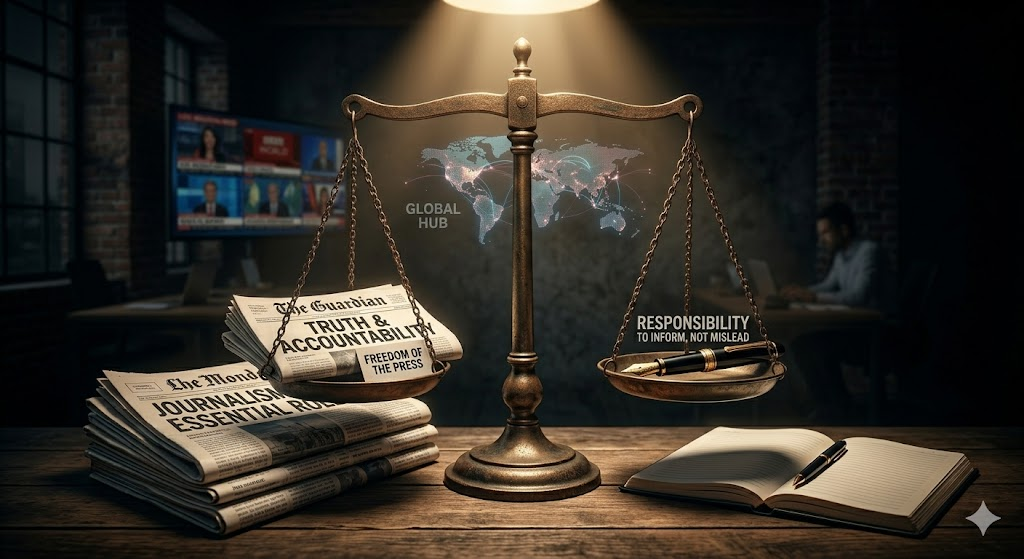
Journalism holds a unique and powerful position in society. Every published article, broadcasted segment, and social media update has the potential to influence public opinion, shape cultural narratives, and impact individual lives. Because of this massive influence, reporters carry a heavy responsibility to provide information that is both accurate and fair. Readers expect the truth, and society depends entirely on credible information to function properly.
Ethical guidelines act as the critical foundation that maintains trust between the media and the public. Organizations like the Society of Professional Journalists and Reporters Without Borders have established strict standards to guide reporters safely through their daily work. These rules help professionals navigate a landscape filled with misinformation, digital manipulation, and immense pressure to publish quickly.
As we move through 2026, reporters face a new wave of challenges. The intense pressure of social media, the constant demand for speed over accuracy, and heavy political influence make the job harder than ever before. Despite these modern hurdles, core principles remain absolutely vital. This guide outlines the most important ethical standards that every responsible reporter must follow to maintain credibility and serve the public effectively.
The Top 10 Journalism Ethics Every Reporter Should Follow
1. Accuracy and Truth
Accuracy serves as the absolute foundation of all journalism. A reporter must always verify factsspeed or sensationalism.
Journalists have a strict duty to cross-check their sources, confirm all data points, and avoid making any assumptions. Inaccurate reporting misleads the public and creates widespread confusion. Because of this, ensuring total accuracy remains the first and most crucial rule in the ethical framework of any news organization.
2. Independence
Journalists must remain completely independent from outside influences. They cannot allow political parties, large corporations, or personal interests to guide their reporting. Independence ensures that the news remains fair and totally unbiased.
Accepting gifts, special favors, or financial compensation compromises a reporter’s integrity. A journalist’s primary duty is always to the public. They must never serve powerful individuals or organizations that might want to control the narrative for their own benefit.
3. Fairness and Balance
Excellent journalism presents all relevant sides of a story. A reporter should actively avoid personal bias and give an equal opportunity to different viewpoints. This approach helps readers evaluate the facts and form their own educated opinions.
Fairness does not mean giving equal weight to verified facts and false information. It means presenting verified, legitimate perspectives responsibly. Balanced reporting builds immense trust and establishes long-term credibility with the audience.
4. Accountability
Journalists must take full responsibility for their work at all times. If a mistake happens, the publication must correct it quickly and clearly. Transparency in this process is incredibly important.
Admitting errors quickly actually strengthens a reporter’s credibility. It shows the audience that the publication values the truth above its own ego. Accountability demonstrates high professionalism and a deep commitment to honesty.
5. Transparency
Transparency requires journalists to be open about their sources, their research methods, and their overall intentions. Whenever possible, reporters should explain exactly how they gathered their information.
This openness builds a strong bridge of trust with the audience. Hidden agendas and unclear reporting methods severely damage public faith in the media. Practicing transparency helps newsrooms maintain the highest ethical standards possible.
6. Respect for Privacy
Journalists must respect the privacy of the people they cover. Not every single detail of a person’s life needs to be published for the world to see. Reporters must handle sensitive information with extreme care and professional judgment.
The public’s right to know should be the only reason for reporting private details. Respecting privacy protects vulnerable individuals from unnecessary harm and public scrutiny.
7. Avoiding Harm
Journalists have a duty to minimize harm whenever they report the news. Publishing a story should never cause unnecessary damage to individuals or entire communities. This rule is especially critical in cases involving crime victims, children, or highly sensitive cultural topics.
Ethical journalism constantly balances the public need for information with the potential negative consequences of releasing that information. Reporters must weigh these factors carefully before hitting the publish button.
8. Honesty and Integrity
Honesty is an essential requirement in the field of journalism. Reporters must never fabricate information, invent quotes, or intentionally mislead their audiences. Plagiarism and the creation of fake news are serious, career-ending violations of trust.
Integrity means doing the right thing, even when the right thing is difficult or unpopular. Total honesty is the only way a news organization can build and maintain a loyal, trusting audience.
9. Confidentiality of Sources
In certain situations, investigative sources require strict protection. Journalists must respect confidentiality agreements made with individuals who provide critical information.
Revealing an anonymous source without their direct consent can put their career, their freedom, or even their life at risk. Protecting these sources encourages other people to step forward and share important information. This protection is a crucial element of successful investigative journalism.
10. Avoiding Conflicts of Interest
Journalists must actively avoid any situations that create a conflict of interest. Personal relationships or financial investments should never influence how a story is reported.
If an unavoidable conflict of interest does exist, the reporter must disclose it to the public immediately. This disclosure ensures total transparency and allows the reader to evaluate the story with all the facts in mind.
Common Ethical Challenges in Modern Journalism
The digital landscape has completely transformed how news is gathered and distributed. Social media platforms like Twitter and Facebook act as primary sources of information for millions of people. Speed frequently leads to careless mistakes. Journalists must learn to balance the demand for rapid updates with the strict need for verified accuracy.
Fake News and Misinformation
False information spreads rapidly across digital networks. Journalists must verify every claim before publishing. Sharing unverified rumors damages the entire media ecosystem.
Clickbait Headlines
Sensational headlines might attract quick attention, but they frequently mislead readers. Ethical journalism completely avoids exaggeration. The headline must accurately reflect the content of the article.
Political Pressure
Governments and powerful organizations frequently try to influence news reporting. Journalists must resist this pressure and stay completely independent. Their loyalty belongs to the truth, not to politicians.
Social Media Influence
Public opinion on social networks can heavily pressure journalists to cover stories a certain way. Ethical reporting must remain objective and ignore the demands of vocal internet mobs.
Privacy vs. Public Interest
Balancing an individual’s right to privacy against the public’s right to know is a constant struggle. Journalists must make these careful decisions daily, prioritizing compassion alongside truth.
How Journalists Can Maintain High Ethical Standards
Maintaining ethics requires continuous effort and dedication. Reporters can ensure they meet these high standards by following a few practical steps.
First, they must always verify information. Confirming facts before publishing prevents the spread of rumors. Second, they need to use reliable sources. Reporters should avoid unverified or anonymous sources unless absolutely necessary.
Third, journalists should follow established ethical guidelines. Organizations like the Society of Professional Journalists provide very clear codes of ethics that serve as a perfect roadmap. Fourth, reporters must stay objective. They need to keep their personal opinions out of their daily news reporting. Finally, continuous learning is essential. Journalism evolves constantly, and staying updated on new challenges helps reporters maintain their professional standards.
Ethical journalism brings massive value to the real world. It exposes corporate and political corruption. It informs citizens so they can make smart decisions. It actively supports the function of a healthy democracy. Unethical journalism causes misinformation, widespread panic, and a total loss of public trust.
Frequently Asked Questions
What are journalism ethics?
Journalism ethics are specific principles and rules that guide responsible reporting. They help reporters make good decisions when gathering and sharing the news.
Why are journalism ethics important?
They ensure accuracy, fairness, and public trust. Without ethics, the media loses its credibility and its ability to inform the public properly.
Who sets journalism ethics standards?
Professional organizations like the Society of Professional Journalists provide comprehensive guidelines that reporters around the world follow.
Can journalists be completely unbiased?
Complete neutrality is very difficult for any human being to achieve. However, absolute fairness and balance are essential goals that every reporter must strive for daily.
How can journalists avoid fake news?
Journalists avoid fake news by strictly verifying all information and relying entirely on proven, reliable sources before publishing a single word.
Upholding the Standards of Reporting
Journalism is an incredibly powerful tool. With that great power comes an equal amount of responsibility. The top ethical standards outlined in this guide are not just arbitrary rules. They form the bedrock of public trust.
In 2026, the media landscape is far more complex than it has ever been. Reporters face constant pressure from digital platforms, political figures, and a demanding public. Yet, the core principles of the profession remain exactly the same: truth, fairness, and strict integrity.
By closely following these ethical guidelines, journalists have the power to inform, educate, and empower society. Ethical journalism serves the truth, and protecting that truth is the most important job a reporter will ever do.